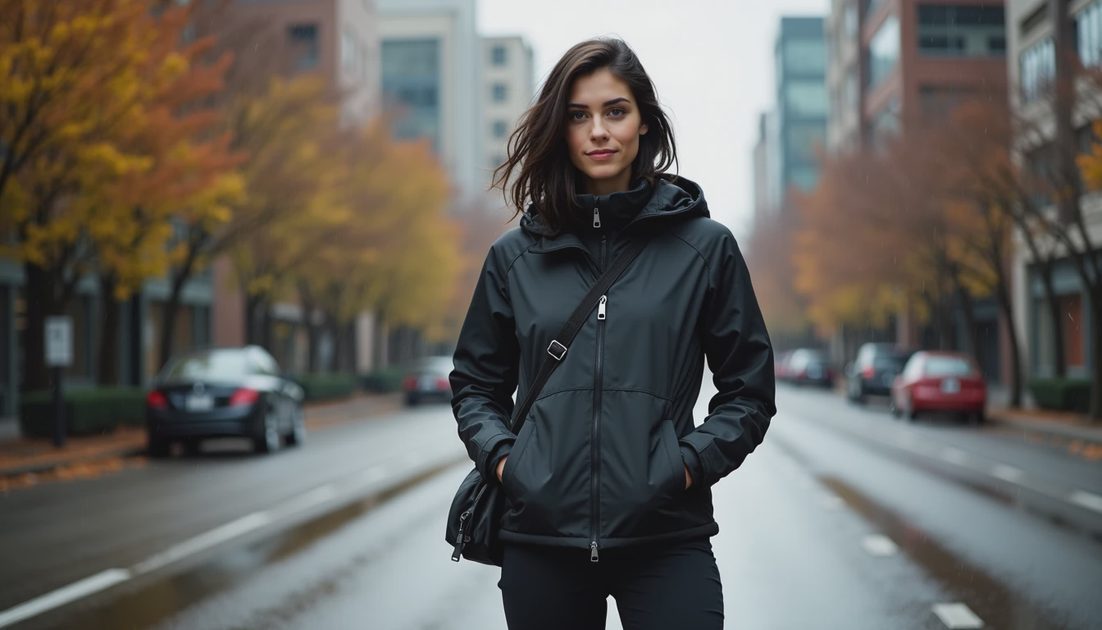
I’m Sophia, a graphic designer based in Portland, Oregon. I’ve been building my techwear wardrobe for the past seven months, mostly because my old “cute but useless” jackets couldn’t handle our crazy spring weather — mornings at 10°C with heavy mist, afternoons climbing to 20°C with sun breaks, and everything in between while biking or walking around the city.
I kept seeing people claim one good shell + proper layering could cover huge temperature swings. Sounded too good to be true, so I decided to test it properly. Here’s my current daily system after six weeks of tracking how it actually performed across 38 commutes and weekend errands.
My Current Layering System
Shell: Used Veilance Node Jacket (women’s cut, bought for $280 on Grailed)
Midlayer: Patagonia Nano-Air Light Hoody (women’s)
Base Layer: Icebreaker Merino 200 Oasis long sleeve + lightweight tank
Pants: Outlier Futureworks (women’s fit)
Bag: Bellroy Tokyo Tote 16L with rain cover
I focused on pieces that feel feminine and professional enough for client meetings while still delivering real function.

How the System Performs Across Temperatures
10–13°C (cold, damp mornings):
The combination of merino base + Nano-Air + fully zipped Node shell kept me warm and dry without feeling bulky. The Nano-Air’s active insulation is magic here — it traps heat when I’m waiting for the MAX train but breathes when I start moving. I stayed comfortable even with misty rain for 40 minutes.
14–17°C (most common transition days):
This is where ventilation becomes everything. I unzip the shell halfway and open the pit zips. The Nano-Air continues to regulate temperature surprisingly well. I rarely needed to remove layers completely, which is huge when you’re carrying a laptop and sketchbooks.
18–20°C (warmer afternoons):
I strip down to just the shell over the tank top. The Node’s fabric is light enough that I don’t overheat, and the cut is tailored enough that it still looks put-together when I arrive at meetings. The pants’ stretch helps a lot with movement when temperatures rise.
Overall success rate: About 85% of days I didn’t need to carry extra layers. That’s a big win compared to my old system where I was constantly adjusting or carrying a separate jacket.

What’s Working Well
The women’s Veilance Node has a much better fit for my frame than unisex options I tried earlier. The waist shaping and sleeve length actually work without looking boxy. The fabric is quiet, drapes nicely, and the matte black finish goes with everything.
Pairing it with the Nano-Air was the smartest decision. Unlike traditional fleece, it stays effective even when damp and compresses small enough to stuff in my bag if needed.
The Outlier pants are a game-changer for women who actually move. They have a flattering cut but still offer the stretch and pocket functionality I need. No more constantly pulling up regular pants or dealing with cold wet cuffs.
Areas That Still Need Improvement
Even with good layering, a few issues remain:
Hood performance — The Node hood is decent but slips back when I’m biking fast. I’m considering adding a better adjustment or a separate rain hat for heavy days.
Lower body regulation — Pants handle water well but can feel warm when temps hit 20°C. Looking for lighter technical pants with better airflow for summer transition.
Bag organization — My current tote works but lacks quick-access pockets for phone and keys when I’m wearing gloves or have wet hands.

Layering Philosophy That Made This Possible
I learned that successful variable-temperature layering isn’t about thick insulation — it’s about moisture management and modularity.
Base layer: Always merino or synthetic that wicks sweat
Midlayer: Active insulation (like Nano-Air) rather than static puffy
Shell: Something with excellent pit zips and adjustable features
Philosophy: Start slightly cool. You can always warm up, but it’s harder to cool down when already sweating.
This approach reduced what I carry dramatically. I no longer drag around a separate fleece and rain jacket every day.
Temperature Range Performance Table
Temp Range | Layering Combo Used | Comfort Level | Main Challenge | Success Rate |
|---|---|---|---|---|
10–13°C | Full shell + Nano-Air + Merino | Excellent | Morning dampness | 92% |
14–17°C | Shell half-zipped + Nano-Air | Very Good | Transition management | 88% |
18–20°C | Shell only + tank | Good | Avoiding overheating | 78% |
I’d love to hear from other women (or anyone really) dealing with big daily temperature swings:
What shell has worked best for you across 10–20°C+ ranges?
Do you prefer women’s-specific cuts or do unisex pieces work fine with adjustments?
Any midlayer recommendations that feel less “outdoor” and more city-appropriate?
How do you handle professional settings where you need to look polished but stay functional?
I’m still tweaking this system and open to suggestions. Especially interested in feedback from people in Portland, Seattle, or other cities with unpredictable spring/fall weather.
Techwear has genuinely made my daily life easier and more confident — I no longer feel stressed about the weather every morning. Would love to hear what’s working (or not) in your setups.
— Sophia (pdx_designer)
No comments yet.