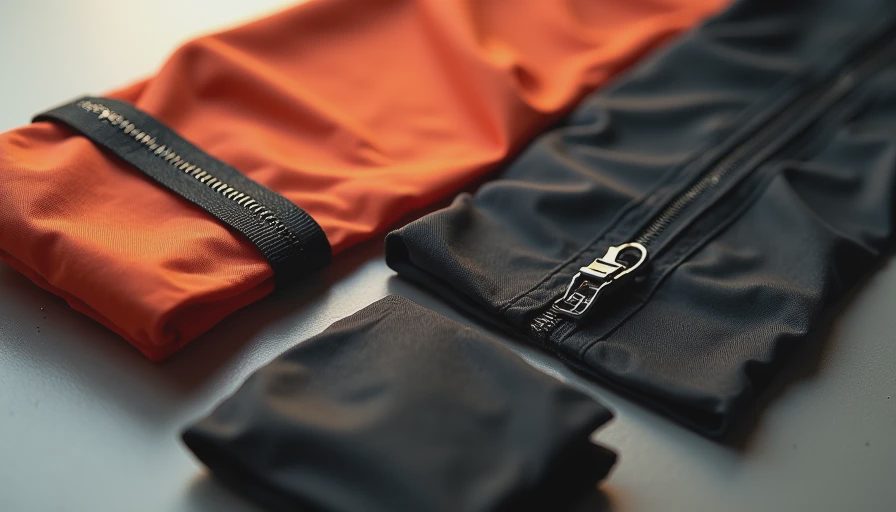
You’ve seen the futuristic silhouettes, the cargo straps, the muted colorways. But before you drop serious cash on a techwear jacket, you need to know what actually matters. The best techwear jackets aren’t just about looking like you stepped out of a cyberpunk movie — they’re about solving real problems: staying dry, managing layers, and carrying your daily essentials without a backpack. In this guide, I’ll walk you through the key features that separate a functional shell from a costume piece, and I’ll point you toward specific brands and models that have proven themselves in the field.
What Makes a Techwear Jacket Functional?
First off, let’s talk fabric. The best techwear jackets use technical fabrics like Gore-Tex, Pertex, or Schoeller. These materials offer waterproofing, breathability, and wind resistance. You want a membrane that sheds rain but lets moisture escape, so you don’t end up swampy after a commute. Check the waterproof rating: look for at least 10,000mm for serious weather, though many premium jackets go to 20,000mm or higher. Breathability (MVTR) should be above 10,000g/m²/24h. For example, the Arc’teryx Beta LT uses Gore-Tex Pro and hits these numbers easily. It’s expensive, but it performs.
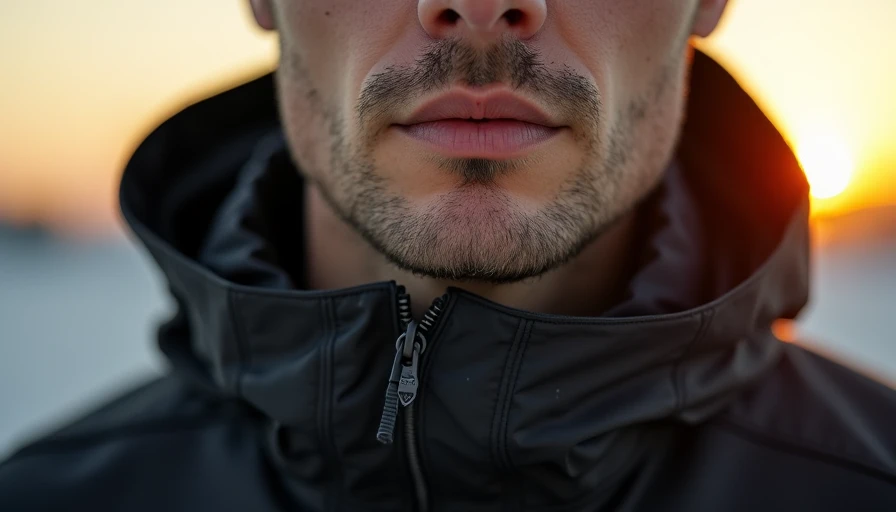
Next, closure systems matter. Waterproof zippers — ideally from YKK or Riri — are non-negotiable. Storm flaps over the main zipper add an extra layer of defense. Some jackets use magnetic or snap closures for quick access, but if it’s raining hard, you want a full zipper and a garage at the top to keep water from seeping in.
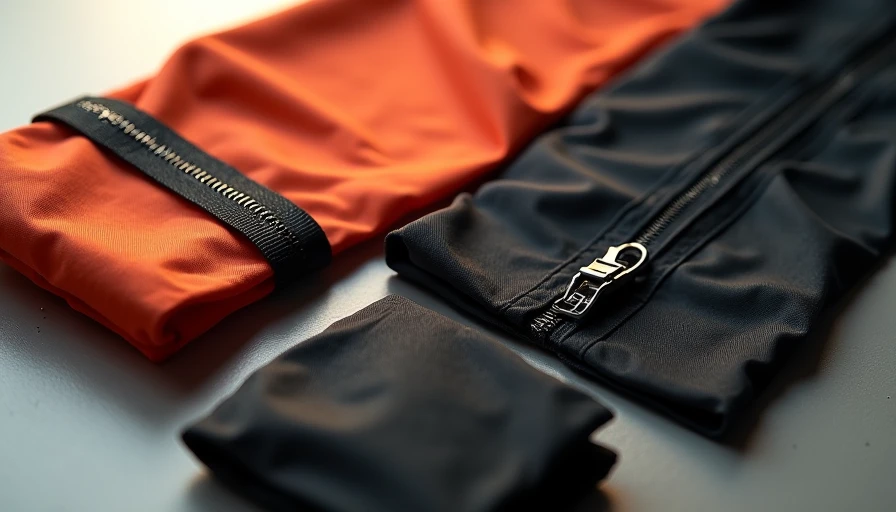
Pocket layout is where techwear jackets shine. The goal is to minimize bag carry. Look for pockets that are easy to access while seated or moving. Chest pockets for phone, side pockets for hands, and internal document pockets. Veilance’s Isogon and Arc’teryx’s Atom LT have well-thought-out pocket placements. Also consider cargo pockets with weatherproof zippers — great for keys, wallet, or a small power bank. Avoid pockets that become useless when you wear a backpack strap.
How to Choose the Right Fit and Silhouette
Techwear silhouettes often run slim and cropped, but that doesn’t work for everyone. For commuting and layering, you need enough room for a midlayer like a fleece or a thin puffy. A classic mistake is buying a shell that fits perfectly with just a t-shirt, then you can’t wear it in colder months. Aim for a jacket that allows a 1–2 inch pinch at the chest while zipped. Shoulder seams should align with your acromion, not hang off. Sleeves should be long enough to cover your wrists when reaching forward.
Many jackets include adjustment cords at the hem and cuffs to dial in the fit. For example, the Nike ACG Gore-Tex Jacket has a drawcord hem and Velcro cuffs that let you seal out cold drafts. If you plan to wear the jacket with a harness or bag, check that the adjustment points don’t dig into your shoulders.
Material Choices: Shell vs. Insulated
You have two main paths: a hard shell or an insulated jacket. A shell jacket (like the Arcteryx Alpha SV or the Acronym J1A-GT) is a waterproof layer that you wear over insulation. It’s modular: you can swap midlayers based on weather. Shells are lighter and more versatile but require planning. On the other hand, an insulated techwear jacket (like the Veilance Mionn IS or the Patagonia Nano-Air) has built-in synthetic insulation. It’s warmer and simpler, but less adaptable for varying conditions. For most people starting out, a shell is the better long-term investment because you can layer it year-round.
Consider durability. Look for ripstop nylon or Cordura panels in high-wear areas like elbows and shoulders. The Acronym J1A uses Schoeller fabric with Keprotec reinforcement — it’s famously tough. If you’re using the jacket for biking or climbing, these details matter.
Top Techwear Jacket Brands and Models to Consider
Let’s get specific. Here are three techwear jackets that represent different price points and use cases:
**Arc’teryx Beta LT ($650+)** : A lightweight shell with Gore-Tex Pro. It’s minimalist, packable, and great for hiking and city wear. The cut is athletic; size up if layering heavy.
**Acronym J1A-GT ($2000+)** : The grail. Schoeller fabric, waterproof, taped seams, and Acronym’s signature cargo pockets and straps. It’s loud in design but completely functional. If you have the budget, it’s the endgame.
**Nike ACG Gore-Tex Jacket ($300)** : More accessible. Good for beginners who want a technical look without breaking the bank. The fit is roomier, the pockets are well placed, and Gore-Tex delivers on weather protection. Not as refined as Acronym, but it works.
When shopping, always check measurements and read user reviews. Many techwear enthusiasts on forums like r/techwear share fit pics and comparisons — use that to gauge sizing.
Layering Strategies for Maximum Utility
A techwear jacket is just one piece of a system. For cold weather, start with a merino baselayer, then a fleece or synthetic puffy, then your shell. For mild weather, just a tee and the shell works. Some jackets have internal drop pockets for a puffer, like the Veilance Field IS combines with the Mionn. Think about how you’ll extend your jacket’s range with simple layers.
Also consider accessories: a balaclava, gloves, and a cap can complement your technical shell without adding bulk. For EDC, look at bags that integrate with your jacket — many techwear jackets have loops or channels for headphone cables or hydration tubes.
Maintenance and Care Tips
Your shell jacket is an investment. To keep it performing, wash it with a technical wash (like Nikwax Tech Wash) and reapply DWR treatment as needed. Never use fabric softener, and dry on low heat or air dry. Avoid storing it compressed for long periods. If you destroy the membrane, it’s game over. Routine care extends the lifespan by years.
Final Thoughts
The jacket you choose should solve problems, not create them. Focus on fabric, fit, and pocket logic. Skip the hype pieces that fall apart after two wears. If you’re new, start with a solid shell like the Nike ACG or a used Arc’teryx. If you’re deep in the game, you know what you want. The best shell is the one you actually wear — so choose something that fits your life, not just your Instagram feed.
No comments yet.