Everyday Carry Essentials: Build Your Ultimate EDC Kit for Real-World Use
Everyday carry essentials are the items you rely on from morning coffee to evening commute. Whether you are a techwear enthusiast or a commuter just looking for practical gear, a well-thought-out EDC kit makes life smoother. In this guide, I will walk through the core everyday carry essentials for urban life. These are pieces I have tested over months of daily use, not just hype from forums. My goal is to help you build a system that works for your routine.
Why Your Everyday Carry Essentials Matter
Your EDC kit is a direct reflection of how you move through the world. Every item should earn its pocket space. I have seen beginners load up with gear they never touch, while veterans carry three things that handle every situation. The difference is intentionality. When you choose everyday carry essentials that solve real problems right now—like a slim bag that fits under a jacket or a flashlight that does not weigh your pocket down—you stop compensating with extra stuff. Focus on versatility, weight, and durability. A good EDC piece works in multiple scenarios: a crossbody bag that works for a day at the office and a weekend hike, for example. That is the kind of efficiency that defines a solid kit.
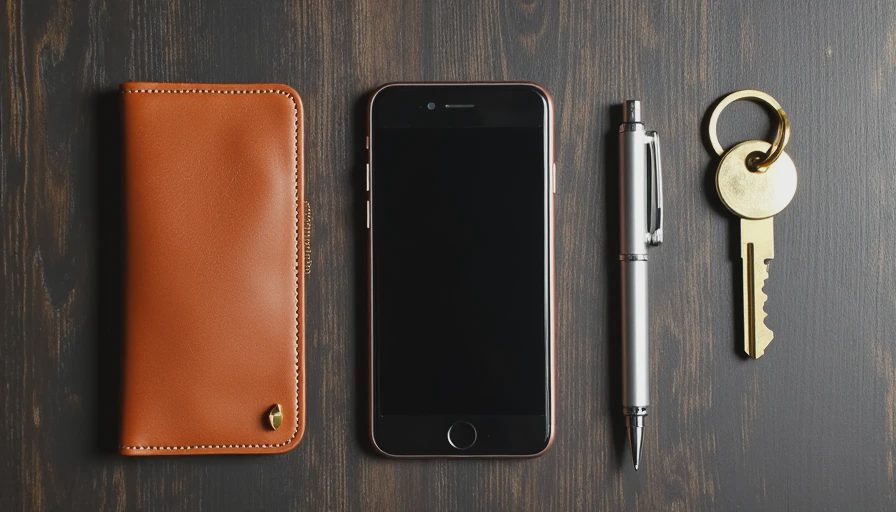
Core Items for Any EDC Kit
Start with the big three: a bag, a wallet, and a tool. For the bag, consider something like the Aer Day Pack 2 or the Bellroy Transit Workpack. Both offer good organization without looking like you are heading on a three-week trek. For a wallet, look at the Ridge Wallet or the Trayvax Contour—they keep cards secure and slim. A tool like the Leatherman Squirt PS4 or a simple Victorinox Classic SD covers the small fixes most days throw at you. After those, add a reliable flashlight. The Olight i3T EOS is tiny but bright enough for finding locks or dropped keys. I also carry a Fisher Space Pen; it writes in rain and cold better than any cheap ballpoint. These everyday carry essentials cover 90% of my daily needs without creating bulk.
How to Choose the Best Everyday Carry Essentials for Your Lifestyle
Your routine determines what you really need. If you commute by transit, a compact bag with quick-access pockets is a priority. I use a Tom Bihn Synik 22 because it fits my laptop and a change of clothes without looking huge. If your job involves walking between sites, a sturdy notebook (like Field Notes) and a pen become essential. For outdoor enthusiasts, add a small first-aid kit and a fire starter. The key is to test each piece in real conditions. Do not buy a $200 bag because a forum says it is the best. Try it for a week with your actual load. You might find that a lighter, cheaper bag works better for your posture and daily carry.
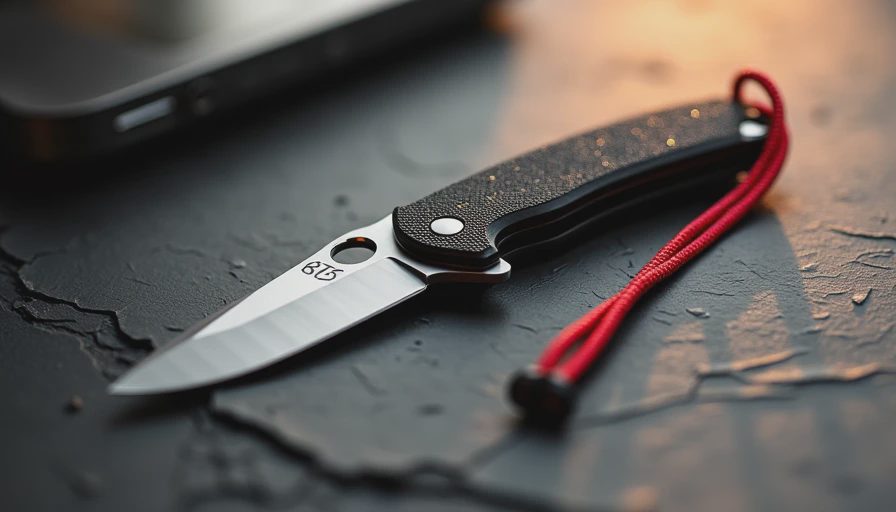
Building Your Personal EDC System
Once you have your core everyday carry essentials, think about how they work together. A good system uses modularity. For example, use a small pouch to hold your flashlight, multitool, and pen so you can move them between bags. I keep a Topo Designs accessory bag for this purpose. Layering is also important: choose a jacket with internal pockets (like the Arc'teryx Atom LT) to keep valuables secure without a bag. Pocket logic matters—put items you use most in easy reach. My front left pocket holds my phone, front right holds my wallet, back right has the flashlight. This rhythm means I never fumble. Once your system feels natural, you will stop thinking about your gear and start focusing on what matters.
EDC Maintenance Checklist: Keep Your Kit Ready
Once you have assembled your everyday carry essentials, regular maintenance ensures they perform when you need them. Here is a simple checklist:
- Empty and reorganize your bag every two weeks. Remove any trash or items that crept in. This keeps your everyday carry essentials from turning into a clutter pile.
- Charge rechargeable items weekly. Flashlights like the Olight i3T EOS easily slip to zero battery if you forget. Set a phone reminder.
- Inspect tools for wear. A leatherman blade might dull; a Victorinox toothpick can snap. Replace or sharpen when needed.
- Rotate seasonal items. In winter, add a small pair of gloves or a mini hand warmer. In summer, swap in a sun hat clip or a water bottle.
- Update your wallet. Every few months, remove old receipts and membership cards. Your Ridge Wallet only holds so many cards.
This simple upkeep takes five minutes every Sunday and keeps your everyday carry essentials ready for any situation. A maintained kit is a reliable kit. You will also catch issues before they become emergencies — like a dead battery or a dull blade.
Building a solid EDC kit is a process. Start with the essentials, test them, swap out what does not work. The right everyday carry essentials make your day easier without making you look like a gear junkie. If you want to see how others build their kits, check out the EDC loadout threads on the forum. There are plenty of real setups from people who actually use their gear daily.
No comments yet.