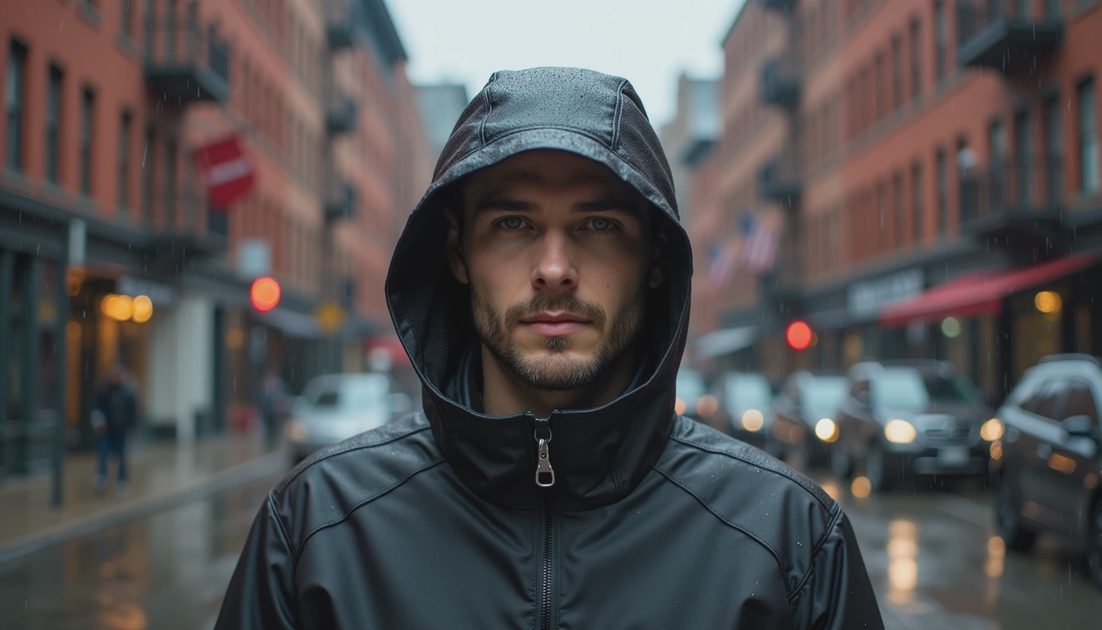
Hey guys, I’m Ben, 30, a civil engineer working in downtown Boston. I bike and walk my commute year-round — about 45 minutes each way — and our winters and springs are brutal with constant cold rain, wind, and temperature swings between 35°F and 55°F.
When I started techwear I thought buying the highest waterproof rating (membrane) was everything. I was wrong. After destroying three different shells in real conditions, I finally figured out the real priority order. This post is my honest breakdown with specific experiences.
The Three Factors Explained
Membrane = Waterproofing + Breathability (Gore-Tex, eVent, etc.)
Ventilation = Pit zips, mesh panels, adjustable features that let heat escape
Fit = Patterning, articulation, length, and how it moves with your body
I used to believe membrane was 70% of the equation. Now I think it’s more like 35-40%, with fit being the silent killer or savior.
My Real-World Testing Over 8 Months
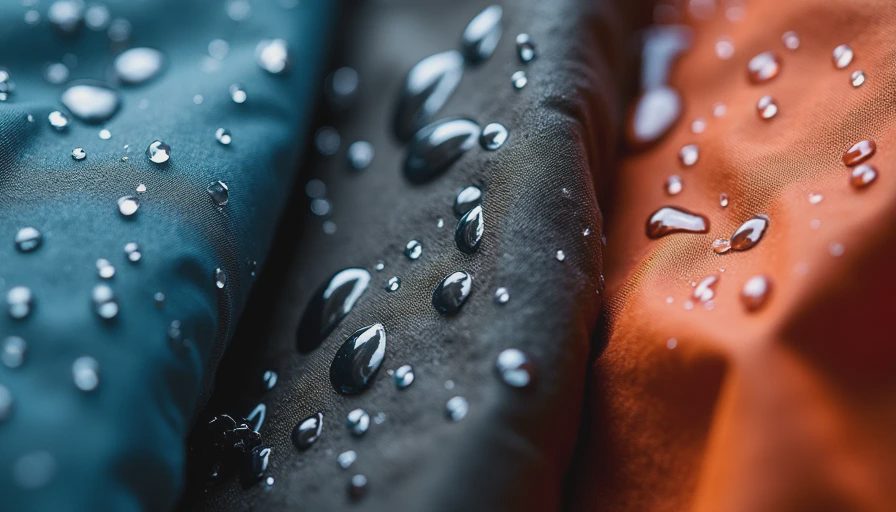
I started with a cheap Amazon “Gore-Tex” shell ($90). Membrane looked good on paper but the fit was boxy and ventilation was nonexistent. After 20 minutes of biking in 48°F rain I was soaked inside from sweat, then the outer layer wetted out. Miserable.
Then I bought a mid-range Veilance with great membrane but average fit. Still better, but shoulder mobility sucked when reaching for handlebars.
Finally settled on a used Arc’teryx Beta SV. The combination of solid Gore-Tex Pro membrane, excellent pit zips, and best-in-class patterning made the biggest difference.
Key takeaway from real commutes:
On cold rainy days (under 45°F): Membrane matters most because you’re less likely to overheat.
On milder rainy days (48-58°F) while moving: Ventilation becomes critical. Sweat management prevents the clammy feeling that makes you cold later.
In all conditions: Fit determines whether you’ll actually wear the jacket consistently.
Detailed Priority Ranking for Rainy City Commuters
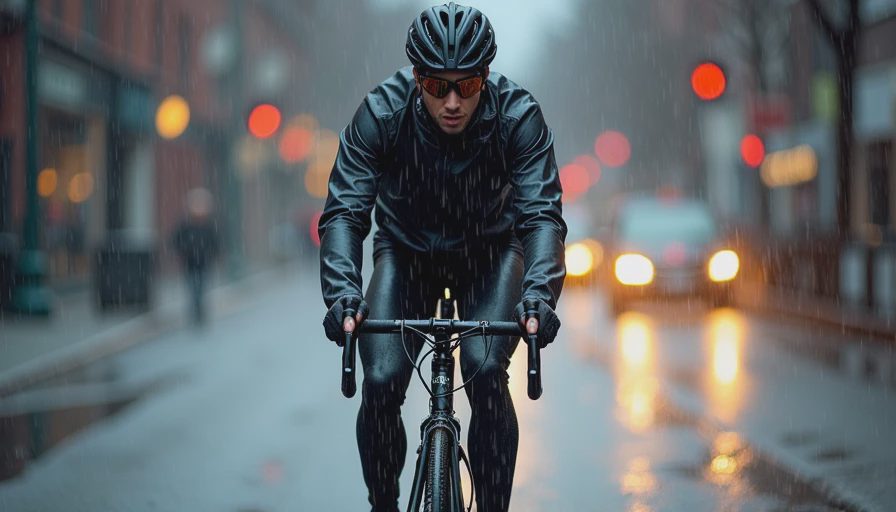
After tracking 60+ rainy commutes, here’s my current ranking:
Fit (40% of success) If the jacket doesn’t move with you, nothing else matters. Bad fit causes riding up, restricted arm movement, and gaps at the hem that let water in. I’ve returned three “technically good” jackets purely because the patterning was off for my 5’11”, athletic build.
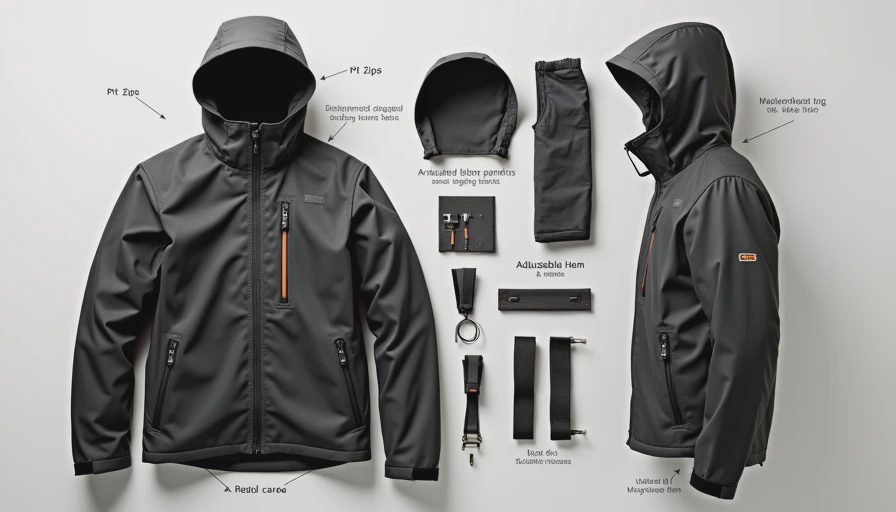
Ventilation (35%) Pit zips are non-negotiable. Being able to dump heat while biking uphill in rain prevents internal condensation. My current Beta SV has massive pit zips that I keep open most of the time in motion.
Membrane (25%) Important, but diminishing returns kick in fast. A good 3-layer 20k/20k membrane is plenty. The difference between 10k and 28k is noticeable but not life-changing if fit and ventilation are dialed.
Comparison Table: What Actually Mattered
Factor | Importance | My Experience Example | What to Look For | Score (out of 10) |
|---|---|---|---|---|
Fit | Highest | Beta SV vs cheap shell: night and day | Articulation, hem length, shoulder mobility | 9.5 |
Ventilation | High | Pit zips saved me from overheating | Large pit zips, adjustable hood | 9.0 |
Membrane | Medium | High-end vs mid-range: noticeable but not huge | 3-layer construction, reputable brand | 8.0 |
Lessons That Cost Me Money
Don’t chase membrane specs blindly. I once bought a jacket with amazing lab numbers but terrible real-world breathability because the patterning trapped heat.
Test in your actual conditions. I recommend buying used first so you can test without huge risk. Wear it on a real commute before deciding.
Layering changes everything. Even the best membrane fails if your base and mid layers don’t manage moisture. I use merino base + active insulation midlayer.
Maintenance is part of the system. Reproofing DWR every 4-6 washes keeps membrane performance alive longer.
What I Recommend for Most Rainy City Users
For Boston/NYC/Seattle/Portland type weather:
Best overall: Used Arc’teryx Beta series or Veilance (if budget allows)
Best value: REI Co-op or Patagonia shells with good pit zips
Budget starter: Uniqlo Blocktech + aftermarket seam sealing
Prioritize trying jackets on in person if possible. Move around, raise your arms like you’re biking, check hood performance with head movement.
Questions for You
For those in rainy cities — what’s your current priority order when buying a new shell?
Has anyone found a budget membrane that actually competes with Gore-Tex in real use?
How important is hood fit for you when biking or walking in wind/rain?
Any specific fit issues you’ve encountered that ruined an otherwise good jacket?
I’m still learning and tweaking. If you have different experiences (especially in variable climates), please share. This stuff makes a real difference in daily quality of life.
— Ben (boston_engineer)
No comments yet.