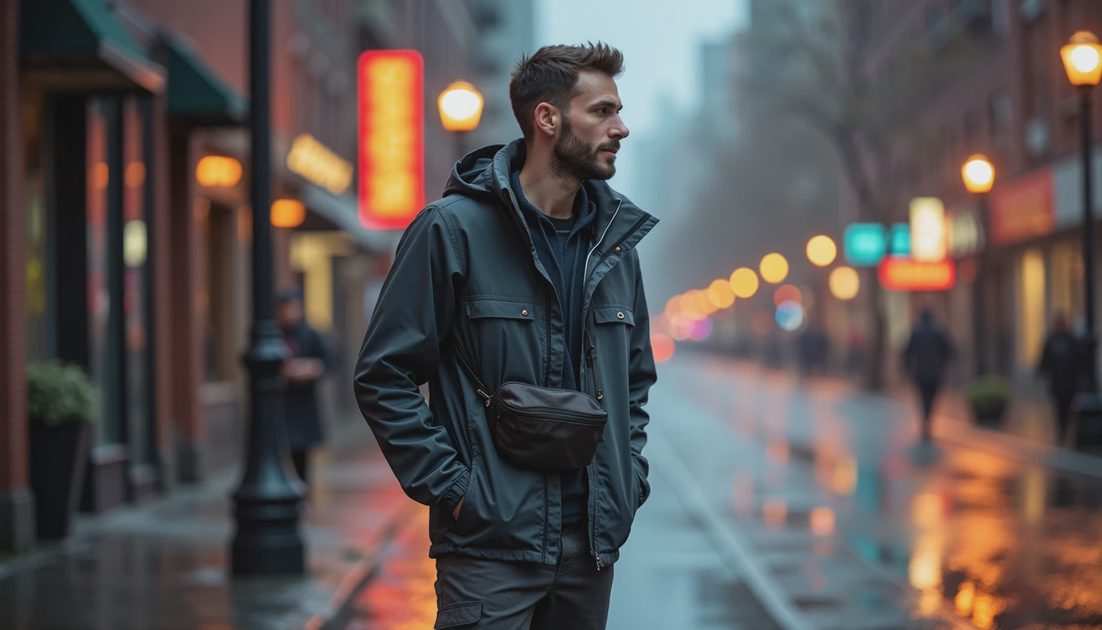
Hey all, I’m Tyler, 25, a junior data analyst living in Capitol Hill, Seattle. I’ve only been into techwear for about five months, coming from regular outdoor gear that kept failing during our endless rainy season. Money is tight after rent and student loans, so when I decided to build my first proper setup, I set a hard $300 limit — no exceptions.
I researched for weeks, bought used where possible, tested everything over 30+ commutes (mostly walking + light biking in heavy PNW rain), and documented what actually worked versus what was a waste. This post breaks down my exact budget split, the specific items I chose, why I prioritized them, and the lessons that might save you time and frustration.
My $300 Budget Allocation Strategy
Total spent: $298 (including shipping and minor taxes). Here’s how I divided it:
Shell: $135 (45%)
Pants: $95 (32%)
Base/Mid Layers: $45 (15%)
Bag/EDC: $23 (8%)
I put the heaviest chunk into the shell because in Seattle, staying dry is non-negotiable. Everything else supports that core protection.
The Shell: $135 – Your Weather Fortress
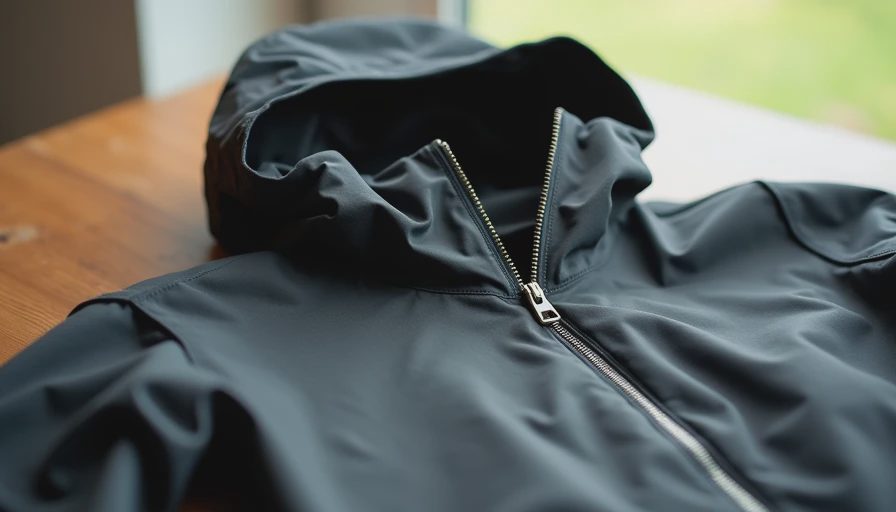
This is where you cannot cheap out completely. I went with a used Arc’teryx Gamma LT (older model, excellent condition) from a local Facebook group for $135.
Why this over a new $80 Uniqlo Blocktech? The Gamma’s patterning is far superior — articulated elbows, longer hem that covers your lower back when biking, and actual Gore-Tex-like performance that handled 45 minutes of nonstop rain without wetting out. I tested the Uniqlo first and it started leaking at the shoulders after 20 minutes in real Seattle downpour.
Key features I looked for in this price range:
Minimum 10,000mm waterproof rating
Breathable membrane (not just DWR coating)
Adjustable hood that stays put with a helmet or beanie
Pit zips for ventilation during activity
Durable face fabric that resists abrasion from backpack straps
Maintenance tip: I re-applied Nikwax after every 4-5 wears. This keeps the DWR effective much longer on budget shells.
If used Arc’teryx isn’t available in your area, a solid alternative is the REI Co-op Rainier Rain Jacket on sale (~$110) or Decathlon’s top MH500 model.
The Pants: $95 – Daily Mobility Foundation
I chose Outlier Futureworks Pants (lightly used, $95 on Grailed). These are stretchy, water-resistant nylon with excellent gusseted crotch and articulated knees. After hundreds of miles of walking and squatting in rain, they still look clean and perform well.
Cheaper tactical pants I tried earlier were stiff, noisy, and had terrible pocket placement. These feel like elevated chinos but move like athletic wear. The DWR finish shrugs off light rain and dries extremely fast — crucial when you’re hopping between meetings.
Alternative under $80: Uniqlo Blocktech Pants or Decathlon’s trekking pants with modifications.
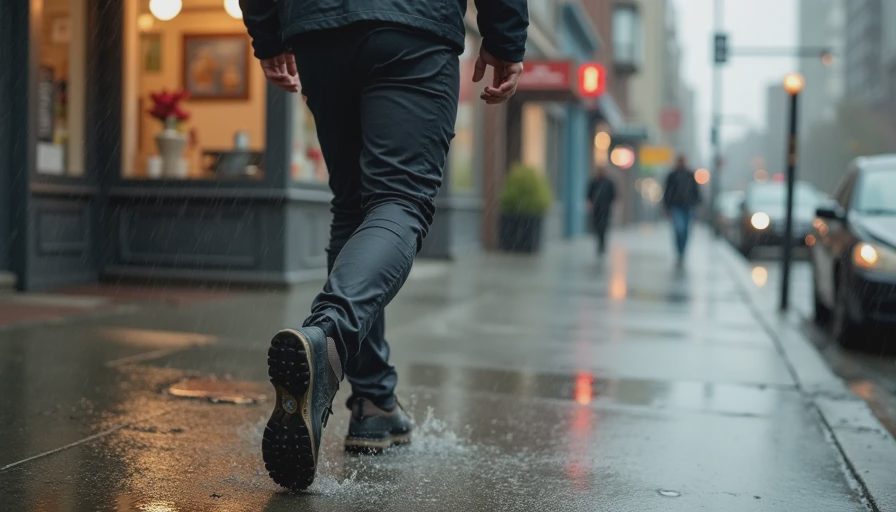
Layers and Base: $45 – The Hidden System
You don’t need fancy midlayers at first. I split this as:
Merino wool blend base layer long-sleeve: $25 (Uniqlo or Decathlon)
Lightweight fleece or grid fleece midlayer: $20 (used Patagonia or REI)
This combo gave me excellent temperature regulation. Seattle mornings can be 45°F and climb to 62°F by afternoon. Merino handles sweat without smelling, and the fleece adds warmth without bulk.
Total layering system weight is under 1.2 lbs, which makes a huge difference when you’re carrying it all day.
Bag and EDC: $23 – Keep It Minimal
I found a lightly used Decathlon 16L waterproof sling/backpack hybrid for $23. It’s not glamorous but it’s fully sealed, has decent organization, and handles my 14” laptop, notebook, water bottle, and small umbrella without issues.
I deliberately kept this cheap because bags are highly personal. Once I use this for two months I’ll know exactly what features I need before upgrading.
Full Item List with Real Performance Notes
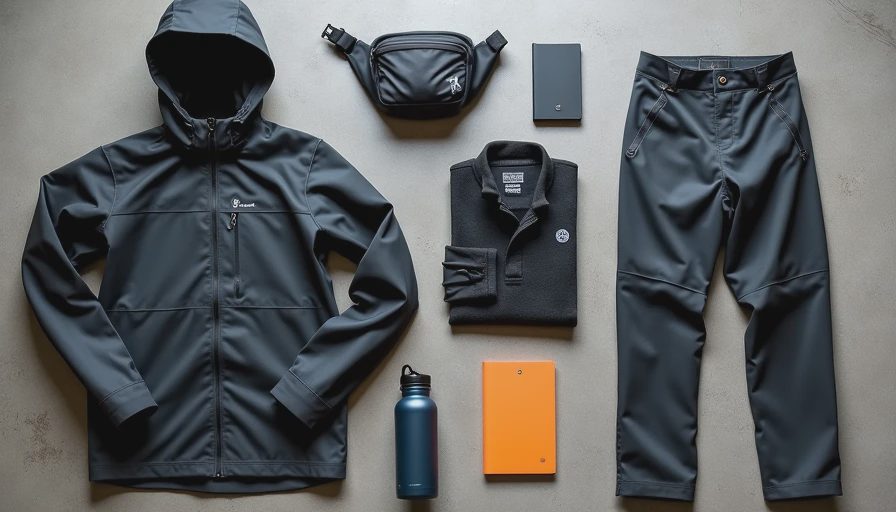
Shell – Arc’teryx Gamma LT ($135): Survived 12 heavy rains. Still beads water perfectly.
Pants – Outlier Futureworks ($95): Zero chafing after long walks. Pockets hold phone securely.
Base Layer – Merino long sleeve ($25): No odor after full days.
Mid Layer – Grid fleece ($20): Perfect bridge for variable temps.
Bag – Decathlon waterproof sling ($23): Holds essentials without bulk.
Total: $298
What I Would Change Knowing What I Know Now
After living with this system for over a month:
I slightly under-invested in the bag. A better hip-belt or quick-access pocket would help.
Consider spending $10-15 more on a proper seam sealer for the shell as backup.
Shoes were not included — I used my existing waterproof hikers. If starting from zero, I’d reallocate $30 from layers to basic Gore-Tex shoes.
Budget Techwear Philosophy I Followed
Prioritize protection first (shell)
Then mobility (pants)
Then comfort systems (layers)
Minimize visible carry until you understand your needs
This approach keeps you functional immediately instead of having a bunch of half-useful “cool looking” pieces.
Common $300 Budget Pitfalls to Avoid
Don’t buy complete “techwear outfits” from Instagram shops — most are fashion only.
Check return policies carefully on used items.
Test in real weather before committing emotionally.
Factor in maintenance costs (Nikwax, replacement zippers later).
Focus on versatile colors: Black or dark olive works with everything.
I’ve already saved money on coffee and dry cleaning because I’m not constantly wet and miserable. The confidence from having gear that actually works is worth way more than the $300.
What’s your budget and city? How would you split $300 differently? Did I miss any killer budget finds in the $50-100 range that I should know about?
Especially curious about people in Boston, Chicago, or Portland — how does your system compare in similar rainy climates?
Let’s build better starter setups together.
— Tyler (seattle_capitolhill)
No comments yet.