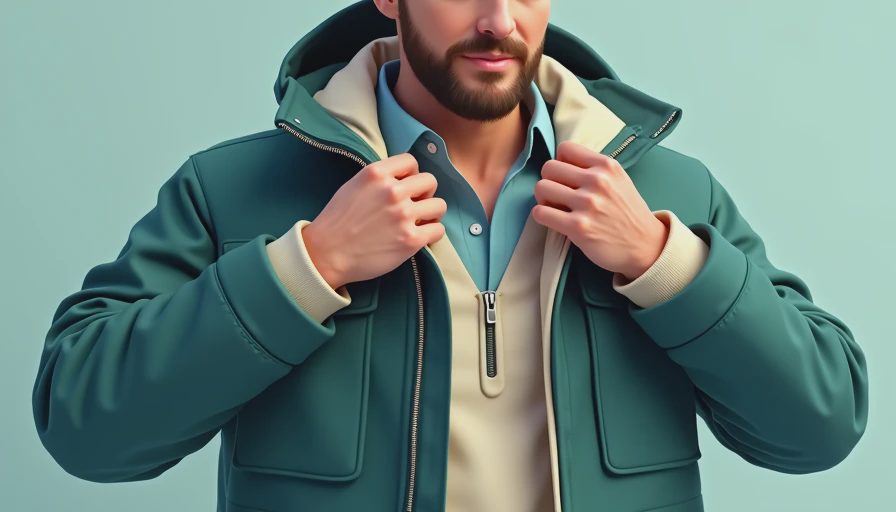
Functional techwear gets misunderstood all the time. A lot of people see straps, black nylon, and futuristic silhouettes and assume that is the whole category. It is not. Real functional techwear starts with a simpler question: what problem does this solve in actual use? If a jacket overheats on the train, if pants bind when you bike, or if pockets look cool but dump your gear when you sit down, the outfit is missing the point. Function first, silhouette second — but both still matter.
What functional techwear actually means
At its core, functional techwear is clothing built around performance, movement, weather resistance, and carry. That does not automatically mean expensive, and it definitely does not mean every piece needs to look like it came from a sci-fi costume department. The best setups usually feel boring on paper: a breathable shell, tapered pants with useful pocket placement, a midlayer that vents well, and shoes that grip on wet concrete.
The easiest way to judge a piece is to ask, how did it perform in actual use? A shell should manage rain and wind without turning into a sweaty bag. Pants should allow a full stride, crouching, and long wear without hot spots. A bag or vest should distribute weight and give you quick access to daily gear. Good functional techwear works on a commute, in a grocery store, at a coffee shop, and on a long day out without constant adjustment.
That is also why fabric matters. Look for terms like DWR coating, softshell, hardshell, articulated knees, gusseted crotch, stretch weave, taped seams, and two-way zippers only when they serve a purpose. Specs are useful, but they are not magic. The right feature in the wrong garment is still the wrong buy.
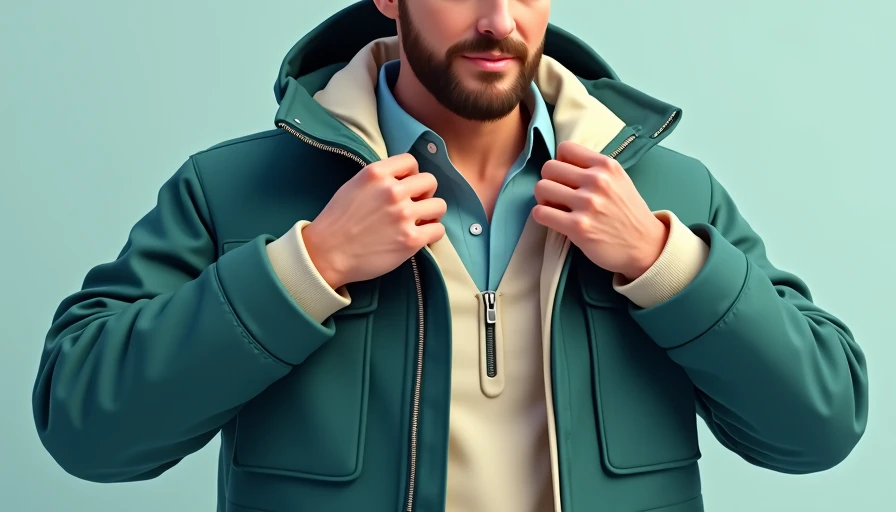
Start with your environment, not the mood board
If you want functional techwear that holds up, begin with climate and routine. A New York commuter, a Seattle walker, and a Los Angeles student do not need the same system. Someone dealing with wind, rain, packed trains, and long walking days should prioritize light weather protection, venting, and comfortable footwear. Someone in a hot, dry city may get more mileage from breathable overshirts, lightweight cargo pants, and sun-conscious layering than from a waterproof membrane.
This is where beginners overspend. They buy a heavy Gore-Tex shell, technical cargo pants, and aggressive boots before asking what problem the outfit solves. Looks aside, would you wear this three days a week? If not, rebuild. A useful starter rotation might be one light shell, one breathable midlayer, two pairs of technical pants, and one reliable pair of daily shoes. That gives you repeat wear and enough variation to test what actually works.
Functional techwear should reduce friction in your day. If your clothes demand special handling, feel loud in the wrong setting, or only work for photos, they are not carrying their weight.
The core pieces that do the real work
Most people can build solid functional techwear with four categories: outerwear, pants, footwear, and carry. Outerwear is the obvious anchor. Good options include a lightweight shell for rain, a softshell for mixed weather, or an insulated layer for cold commutes. Brands like Arc'teryx, Nike ACG, Guerrilla-Group, and Veilance all approach this differently, from sport-focused performance to cleaner urban minimalism.
Pants are where comfort usually wins or loses. Look for stretch, mobility, and pocket layouts that do not bulge awkwardly when loaded. Articulated patterning and a gusseted seat are worth more than random straps. For footwear, prioritize outsole grip, all-day comfort, and weather match. Salomon, Merrell, and Hoka often make more practical daily options than stiff fashion-forward boots.
Carry matters too. Sling bags, compact backpacks, and modular chest rigs can all work, but only if access and weight distribution make sense. The best functional techwear setup does not force every item onto your body just because external storage looks tactical.

Budget, brand ladders, and where to spend more
You do not need a full Acronym budget to dress well in functional techwear. High-end brands often deliver excellent patterning, premium fabrics, and thoughtful details, but value exists at several levels. Uniqlo, Columbia, 686, and Target's occasional utility pieces can give beginners a low-risk entry point. Mid-tier options like Nike ACG, adidas Terrex, and lesser-known outdoor labels often hit a sweet spot between performance and price.
If you are spending serious money, put it where failure is expensive or annoying. Jackets, shoes, and bags usually justify the biggest budget because weather protection, comfort, and durability show up fast in daily use. Pants matter too, but there are more affordable wins there. A $300 shell you wear three days a week is easier to defend than a $300 pair of pants with awkward pocket geometry.
The smarter move is building in stages. Buy one strong outer layer, test it for a month, then upgrade around it. Functional techwear rewards systems thinking more than impulse flex purchases.
Common mistakes that make techwear less functional
The biggest mistake is confusing visual language with utility. Straps, excessive pockets, and all-black layering can look sharp, but if they snag, trap heat, or add weight, they are decoration. The second mistake is ignoring fit. Technical fabric cannot save bad proportions. If sleeves bunch, hems catch, or rise is wrong, movement and comfort fall apart.
Another common problem is overloading pockets. Even good cargo pockets become annoying if you stuff them with a phone, wallet, battery pack, keys, and earbuds case. That changes drape, creates pressure points, and makes sitting awkward. Sometimes the better answer is a small sling and cleaner pants.
Finally, people buy for edge cases instead of normal life. You probably do not need expedition-grade waterproofing for a 20-minute walk to work. Functional techwear should make ordinary days easier, then stretch into rough weather when needed. Start there, test hard, and refine based on actual wear. That is how you end up with gear that earns repeat use instead of hanging in the closet like a costume.
Build a system you will actually wear
The best functional techwear setup is not the most extreme one. It is the setup that handles your weather, carries your essentials, moves well, and still looks coherent enough that you reach for it constantly. That could mean a clean shell, technical trousers, and trail runners. It could also mean a breathable overshirt, relaxed cargos, and a compact crossbody for daily carry.
What matters is the logic behind the kit. What problem does this solve? How did it perform in actual use? If you keep asking those questions, you will avoid most beginner mistakes and spend better over time. Functional techwear should feel like a toolset, not a costume. Build around use, keep only what proves itself, and the style side tends to fall into place naturally.
No comments yet.