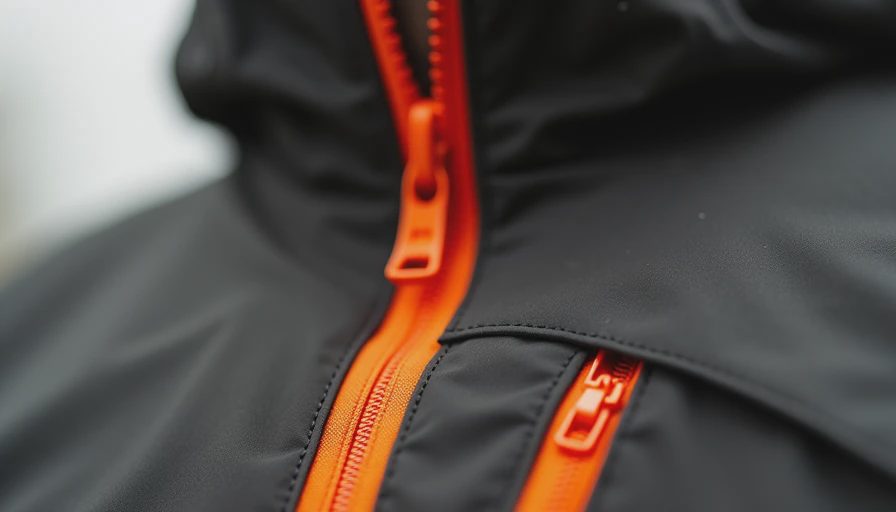
Tech clothing isn’t just for Instagram cosplay or Cyberpunk 2077 cosplayers. Real tech clothing solves actual problems: too many pockets for your EDC, waterproofing that lasts through a downpour, fabrics that breathe when you’re running for the train, and silhouettes that don’t scream “I’m wearing a trash bag.” After testing dozens of brands over the past few years—from Acronym to Uniqlo’s Blocktech—I’ve narrowed down what actually works for daily urban commuting. The key is to focus on function over hype.
What Makes Tech Clothing Different from Regular Outdoor Gear
Many outdoor brands make waterproof jackets, but tech clothing prioritizes urban-specific features: hidden pockets for phone and wallet, articulation for biking, and modular attachment points like MOLLE webbing. The fabrics are often lighter and more packable than traditional hiking gear. For example, Schoeller’s 3XDRY fabric wicks moisture while resisting rain—ideal for the commute where you transition from outdoors to subway to office. Similarly, Pertex Quantum provides windproof insulation without bulk, perfect for layering under a shell. Tech clothing also emphasizes stretch and mobility, using materials like Schoeller Dynamic for a four-way stretch that moves with you.
Head-to-head: Gore-Tex Pro vs. eVent vs. Pertex. Gore-Tex Pro offers the best durability and waterproofing (28K/20K ratings) but can feel stiff. eVent is more breathable and flexible but less abrasion resistant. Pertex is lightweight and packable but not fully waterproof—great for mid-layers. For everyday commuting, a 10K/10K rating is sufficient; you don’t need expedition-grade gear.
Key Brands That Deliver Real Utility
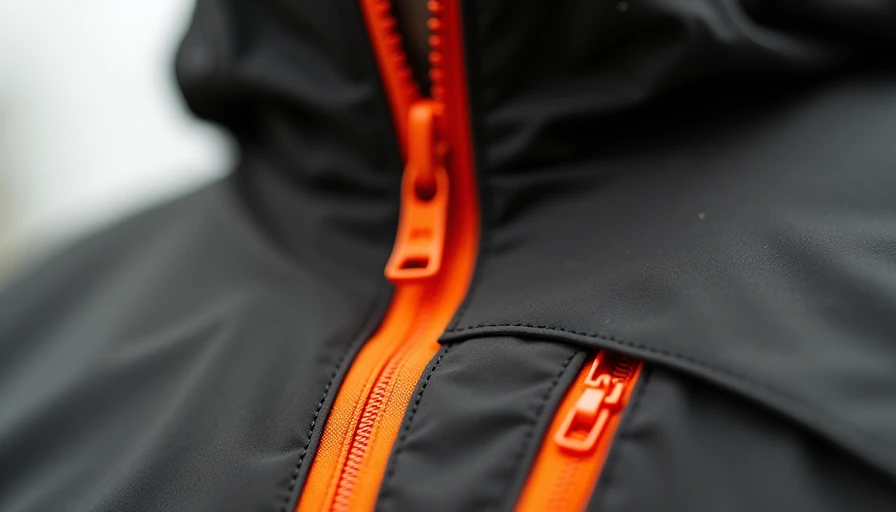
Not all tech clothing is created equal. Acronym leads with gore-tex and aggressive styling, but at a steep price—the J1A-GT jacket runs $1,400. Veilance offers minimalist cuts with equivalent waterproofing; the Mionn Jacket uses Coreloft insulation and Gore-Tex Paclite for around $600. For budget-conscious commuters, brands like Riot Division and Uniqlo’s Blocktech line provide solid entry points. Riot Division’s Cargo Pants (~$120) include hidden zippered pockets and articulated knees, while Uniqlo’s Blocktech parka (~$80) offers water resistance and packability. Outlier’s Slim Dungarees are a cult favorite—they dry fast and resist stains. The key is to read the fabric specs: look for DWR coating, taped seams, and mechanical stretch. Avoid gimmicks like excessive zippers that compromise waterproofing.
Building a Starter Loadout Under $500
You don’t need a $1,200 Acronym jacket. Focus on versatility: one waterproof shell, one pair of tapered cargo pants with secure pockets, and a mid-layer that can double as office wear. Good pieces here mean items that work together, not just standalone flex pieces. Start with Uniqlo’s Blocktech parka (~$80), add Riot Division pants (~$120), and a merino base layer from Outlier or Icebreaker (~$100). That’s $300 for a core setup. Then add a technical backpack like the Evergoods CHZ22 (~$199) or the cheaper Arc’teryx Mantis 16 ($80) for carry. Stay under $500 by skipping expensive brand names.
Common Mistakes Newbies Make
- Buying for looks first—that breathable-looking jacket might not have pit zips, and you’ll be sweating after one block.
- Ignoring layering—layering is the foundation of functional wear. A shell without an insulating mid-layer is useless in winter.
- Not testing pocket layout—can you access your phone while seated? Does the pocket interfere with a backpack hip belt? Test in store or buy from places with easy returns.
- Overlooking seam taping—this is the difference between water-resistant and waterproof. Check if seams are taped, especially in the shoulders and hood.
- Choosing slim fit over articulated—tech clothing needs room for movement. Look for gusseted crotches and articulated elbows.
How to Care for Tech Gear to Extend Lifespan
Modern tech fabrics are delicate. Wash with tech wash (Nikwax or Grangers), avoid fabric softener, and tumble dry on low to reactivate DWR. If you see the fabric beading less, it’s time to re-treat. Store garments flat or hanging, never compressed. A $20 bottle of DWR spray can bring a jacket back to life. Proper care means your gear will perform season after season.
Getting the Right Fit in Tech Clothing
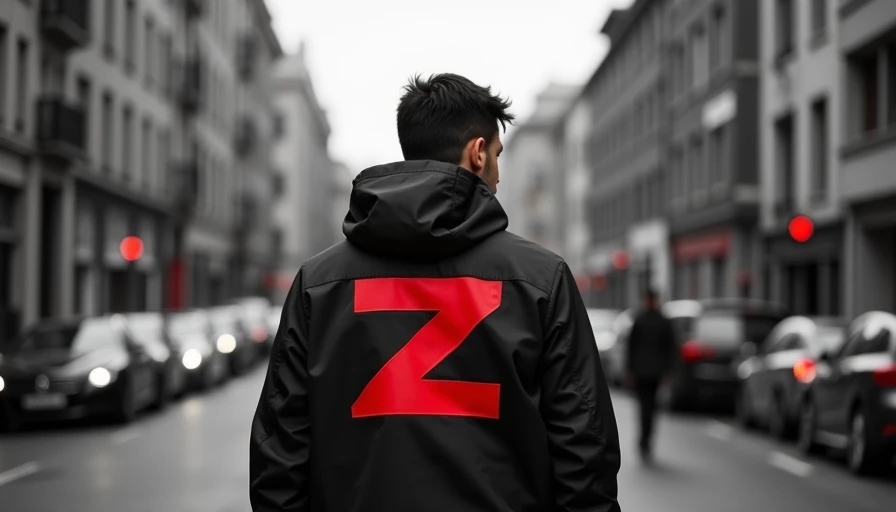
One of the biggest hurdles for newcomers is sizing. Tech clothing brands often use European or Asian sizing, so a Medium from Uniqlo may fit differently than a Medium from Acronym. Always check the size chart and measure your chest, waist, and inseam. For jackets, pay attention to sleeve length and shoulder width—a too-tight shoulder will restrict arm movement. Pants should have enough room in the thigh and seat for cycling or climbing stairs. Many tech pants come in a “slim” or “tapered” cut, but if you have larger legs, look for “athletic” fits or brands like Outlier that offer multiple cuts. Don’t be afraid to size up for layering; tech clothing often has a trim fit by design. If the garment has adjustable cuffs, hem, or waist tabs, use them to fine-tune the fit. A well-fitting piece not only looks better but also performs better—no sagging fabric catching on bike pedals or bunching under a backpack.
Final Thoughts: Function First, Silhouette Second
After all the hype, what matters is whether your gear gets you through your day without hassle. Your gear should make your commute easier—not require a PhD to put on. Start with one or two solid pieces, wear them hard, and then expand. The best tech clothing is the stuff you actually use every day. Look for versatility, durability, and real-world performance. And remember: function first, silhouette second—but both still matter.
No comments yet.