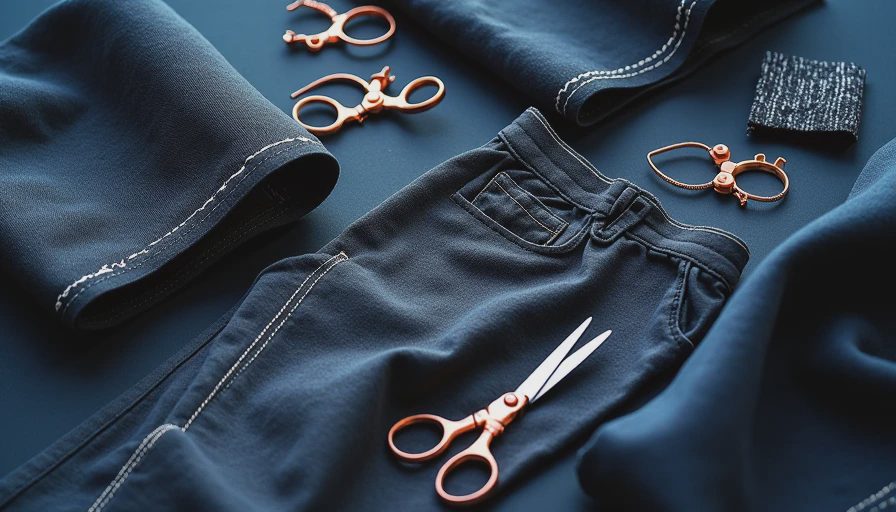
If you’re into techwear, you’ve probably noticed the recurring detail of **black pants with white stitching** on pieces from brands like Acronym, Outlier, and Nike ACG. It’s not just a aesthetic choice—it’s a functional signal. White stitching on dark fabric means you can spot seam stress, repair points, and pocket edges at a glance. For anyone who actually uses their gear day in and day out, that visibility matters. Whether you’re a commuter, a one-bag traveler, or just someone who appreciates thoughtful design, this combination of form and function is hard to beat.
These pants solve a real problem: how do you make a garment that’s both discreet and easy to maintain? The high-contrast stitching lets you see wear patterns early, so you can reinforce before failure. And let’s be honest—it looks undeniably sharp. In a world of all-black everything, that subtle white line breaks up the void without screaming for attention. But not all **black pants with white stitching** are created equal. You need the right fabric, cut, and pocket logic to make them work for your lifestyle.
Why White Stitching Matters in Techwear
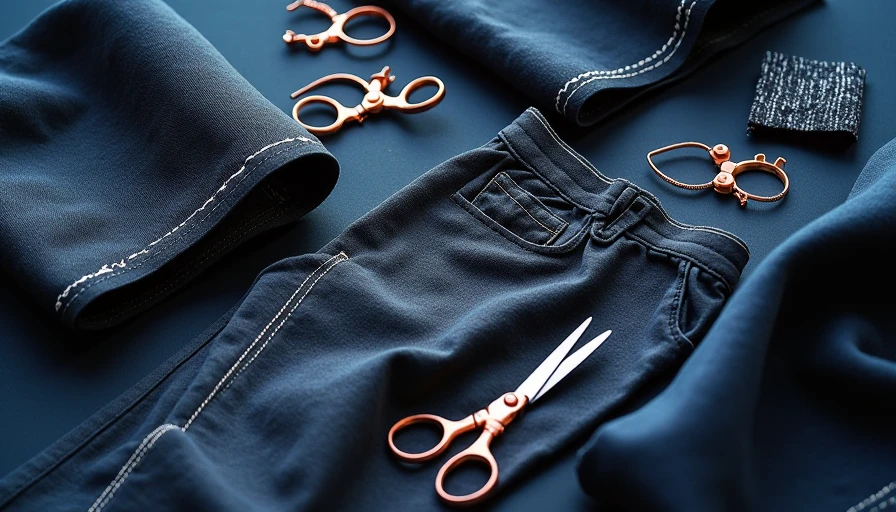
The first thing you’ll notice about **black pants with white stitching** is the contrast. But the real reason it’s a hallmark of quality techwear is durability. White thread is often a different material—sometimes a bonded nylon or a high-tenacity polyester—that stands up to abrasion better than black thread. On a pair of pants that see daily use, the stitching is a failure point. White stitching makes it easy to check for fraying or loose seams without squinting. Brands like Outlier use this stitching on their Slim Dungarees and Futureworks, and it’s become a signature because it works.
Another factor: visibility for pocket organization. When you’re reaching for a phone or wallet in low light, the white stitch lines act as tactile guides. That might sound niche, but for anyone doing EDC drills or navigating a dark subway platform, it’s genuinely useful. Plus, it looks intentionally designed rather than an afterthought—a detail that says the maker cared about construction, not just appearance.
Top Fabrics and Construction for Everyday Use
Not all **black pants with white stitching** perform the same. Fabric choice dictates breathability, stretch, and water resistance. Look for:
- **Cordura or Dyneema blends**: These offer abrasion resistance and a slight mechanical stretch. Brands like Acronym use these for their P10 and P23 models. The white stitching here is often bonded for extra strength.
- **Cotton-nylon twill**: A more affordable option from Uniqlo or Massdrop. The stitching is usually cotton-wrapped polyester—less durable but easier to repair. Fine for casual wear.
- **Scholler dynamic wool**: A stretch wool that looks dressy but moves like activewear. Veilance uses this on their Voronoi pants, often with contrast stitching for a technical edge.
Construction matters too: Gusseted crotches prevent seam blowouts, and reinforced belt loops add load capacity. Always check the stitch density (SPI). Higher SPI means tighter, stronger seams—ideal for pants that carry gear.

How to Style Black Pants with White Stitching
Styling these pants is straightforward because they’re neutral. The white stitching adds a just enough visual interest to pair with a black tee and minimalist sneakers. For a techwear look, layer with a shell jacket and a crossbody bag. The contrast stitching echoes details like white zipper pulls or reflective accents on your outerwear. Avoid overdoing it: let the pants be the subtle flex.
One common mistake is wearing them with white footwear that clashes. Instead, opt for black or gray shoes. The stitching is meant to be a functional detail, not a matching element. For colder months, throw on a charcoal fleece and a utility vest. The pants’ dark base keeps the outfit grounded.
What to Look for When Buying
Before you grab any pair of **black pants with white stitching**, run through this checklist:
- **Pocket layout**: At least two hand pockets, one secured zip pocket, and a back pocket that fits a phone. Bonus for internal webbing or key loops.
- **Waistband**: Should have belt loops and some stretch. A drawstring is a plus for adjustability.
- **Rise**: Mid-to-high rise works best with techwear layering—prevents gap when bending.
- **Hem**: Look for a raw hem or a side zip that lets you adjust length over boots.
- **Reinforcement**: Double stitching on inseam and crotch. White thread here makes inspection easy.
Prices range from $60 for entry-level (Uniqlo Kando pants) to $400+ for high-end (Acronym P23). The middle ground—$150–$200—gets you solid construction and good fabric from brands like Outlier or Riot Division.
Budget vs. Premium Options
If you’re starting out, the Uniqlo Dry-EX pants sometimes come in black with white contrast thread—they’re $50 and work as a test run. On the premium side, the Acronym P30A-LP features layered panels and white topstitching that’s both structural and aesthetic. Which should you choose? If you need pants for serious daily wear—commuting, bike riding, packing—invest in the mid-tier. If you want a statement piece for rare use, the budget pair is fine.
Remember: the white stitching isn’t just decoration. It’s a sign that the pants were designed with maintenance in mind. Whether you’re repairing your own gear or just want to look like you know what you’re doing, **black pants with white stitching** deliver.
---
These pants are a smart addition to any techwear wardrobe. They balance utility with a clean aesthetic that ages well. Next time you’re running low on gear fund, think about where that white thread leads—and whether your pants are ready for the field.
No comments yet.