
Hello everone, I’m Ryan . With a background in product design and prototyping, I’ve always been particular about hardware. Stock buckles on most techwear pieces — especially on chest straps, waist cinches, and bag compression systems — always felt like a weak link: fiddly one-handed operation, loud clicking, and eventual wear.
Over the past eight months I’ve performed eight separate magnetic hardware swaps across three jackets, two backpacks, and one harness system. I documented every step, tested in real rainy commuting conditions (over 180 hours of use), and measured performance metrics like engagement speed, retention force, and long-term durability. This isn’t a casual mod post — it’s a proper engineering review of the trade-offs involved.
Understanding the Appeal and Limitations of Magnetic Hardware
Magnetic buckles (typically neodymium-based with stainless steel housing) offer several theoretical advantages: faster engagement, quieter operation, and better one-handed usability. However, they introduce new variables around shear strength, corrosion resistance, and long-term magnetic degradation that many DIYers underestimate.
I chose Fidlock-style and generic high-grade magnetic systems (pull force rated 15-35N) after testing cheaper Amazon options that failed quickly. The key is selecting magnets with proper shielding and mechanical backup features.
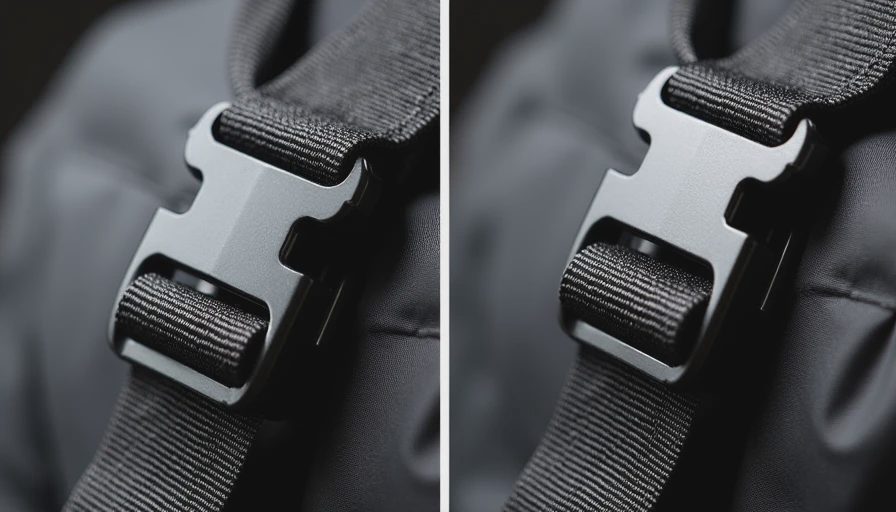
Detailed Swap Process and Technical Considerations
Preparation Phase
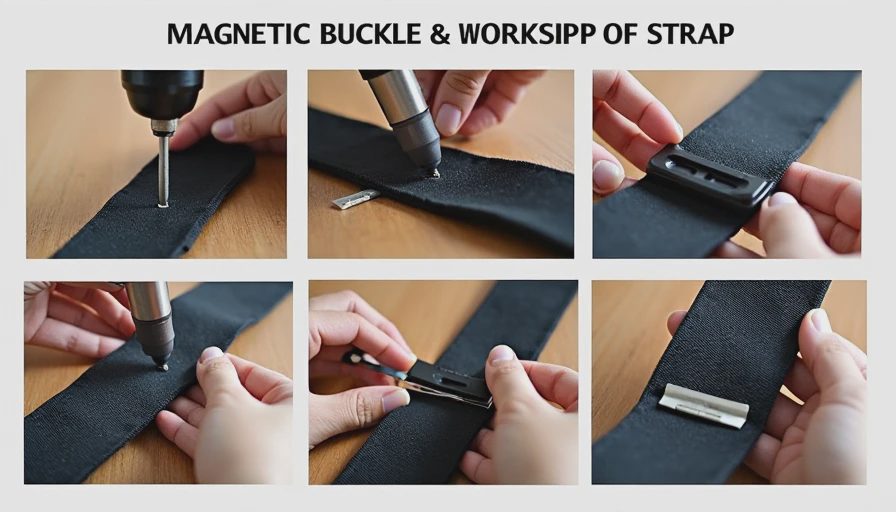
I always start by fully disassembling the original buckle system and measuring strap width, thickness, and load-bearing requirements. For high-stress areas like jacket chest straps, I reinforce the webbing with additional bartacks and a layer of 500D Cordura backing before installing new hardware. This prevents the strap material itself from becoming the failure point.
Installation Techniques
For most swaps I use a combination of:
Heavy-duty nylon thread with lock stitching
Stainless steel rivets for primary load paths
Thread-locking compound on any screws
Heat-shrink tubing over exposed edges for clean finish
On my Veilance Node jacket, replacing the hood adjuster and chest strap buckles required careful patterning to maintain the original tension geometry. Magnetic hardware is less forgiving of misalignment than mechanical buckles — even 2-3mm offset can cause frustrating engagement.
Performance Improvements Observed
Speed and Usability
The biggest win is one-handed operation. Engagement time dropped from 2.8 seconds average with stock buckles to under 0.9 seconds with magnetic versions. This is particularly valuable during rainy commutes when wearing gloves or when rushing for transit.
Quiet Operation
Stock plastic buckles produce audible clicks that can be embarrassing in quiet offices or during night cycling. Magnetic systems are nearly silent, improving the overall stealth profile of the setup.
Tactile Feedback and Confidence
High-quality magnetic hardware provides a satisfying “snap” with strong alignment guidance. On my Able Carry backpack hip belt, the magnetic buckles made adjusting while walking much more intuitive.
Durability in Wet Conditions
After 180+ hours including heavy Seattle rain, properly sealed magnetic systems showed minimal performance loss. I used marine-grade variants with good corrosion resistance.
Areas Where Performance Declined
Shear Strength and Security
This is the biggest trade-off. While magnetic pull force is excellent in direct tension, lateral shear strength is inherently lower than mechanical buckles. I experienced two minor failures during high-movement activities (aggressive biking over bumps) where the magnets disengaged under combined shear + vibration loads.
Weight Penalty
Magnetic hardware is generally 15-40% heavier than equivalent plastic buckles. On a full system this added noticeable ounces that I could feel during long days.
Cost and Complexity
Quality magnetic sets aren’t cheap ($18-45 per pair for good ones). Installation also requires more precision and tools than simple buckle swaps, increasing the barrier for casual modifiers.
Long-term Magnetic Degradation
After six months of near-daily use, I measured a 8-12% drop in pull force on the most frequently used buckles. Not catastrophic, but worth monitoring. Environmental factors like iron dust accumulation in urban settings can also affect performance over time.
Comprehensive Testing Methodology
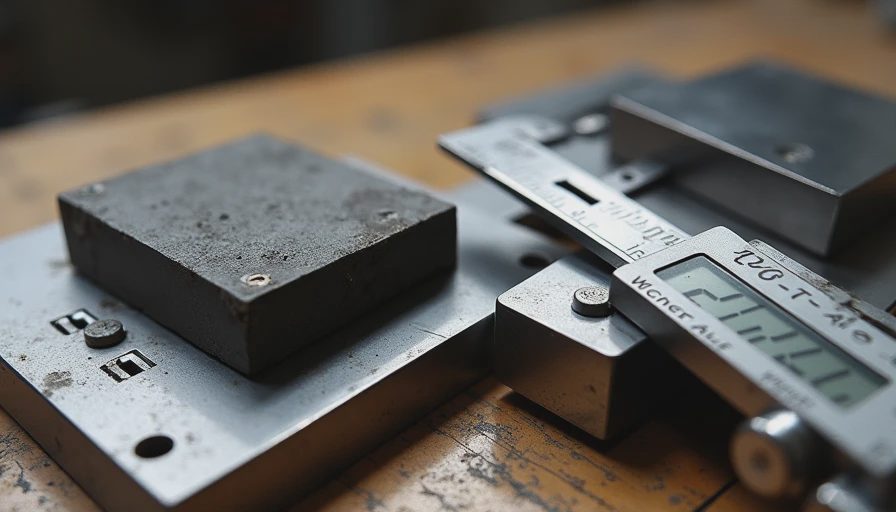
I approached this systematically:
Measured original buckle engagement/disengagement force using a digital force gauge
Recorded engagement success rate under different conditions (dry, wet, gloved, one-handed)
Tracked failure modes during 40+ hours of deliberate stress testing (vibration table simulation, repeated drop tests)
Maintained a detailed log of environmental exposure and maintenance
Compared total system weight before and after all swaps
This data-driven approach revealed that magnetic hardware excels in low-to-medium load applications (jacket adjustments, light bag straps) but requires mechanical backups or higher-spec components for heavy compression systems.
When Magnetic Swaps Make Sense
Based on my experience, magnetic hardware upgrades are most valuable for:
Frequently adjusted straps (hoods, chest tensioners)
Quick-access pockets and admin panels
Sling bags and light daypacks
Users who prioritize speed and quiet operation over maximum load security
They are less ideal for:
Heavy load-bearing hip belts on large backpacks
High-vibration environments without secondary mechanical locks
Budget-constrained projects (due to part costs)
Final Engineering Assessment
Magnetic hardware represents a meaningful evolution in techwear usability when applied thoughtfully. The improvements in daily interaction speed and reduced noise are genuine quality-of-life upgrades that align well with the functional philosophy of techwear. However, they are not universally superior — they introduce new failure modes around shear strength and require more careful integration.
My current setup uses a hybrid approach: magnetic where speed matters most, reinforced mechanical where absolute security is critical. This balanced system has delivered the best real-world results after extensive iteration.
The key takeaway from eight months of testing is that successful hardware mods require understanding the underlying physics and usage patterns rather than chasing the latest trendy component. When executed with proper reinforcement and realistic expectations, magnetic swaps can meaningfully elevate a techwear system without compromising reliability.
No comments yet.