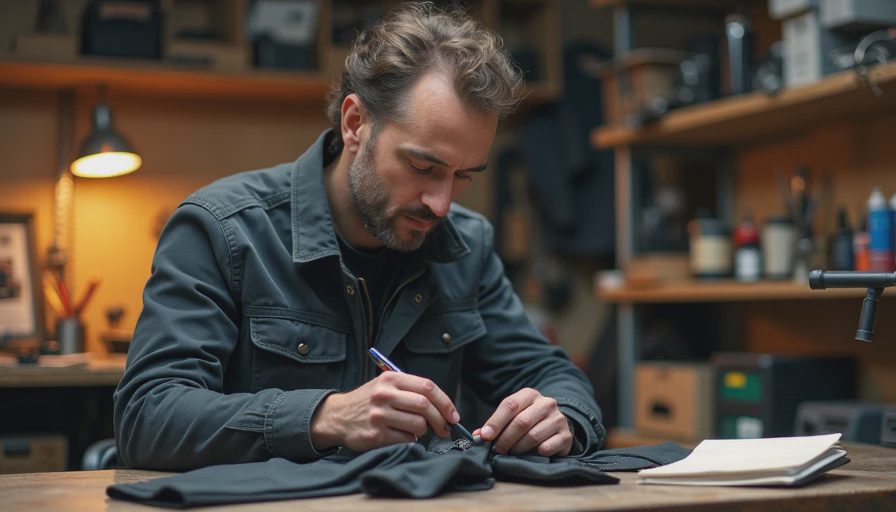
Hey , I’m Daniel Reyes, one of the moderators here at Hardwear Forum. I’ve been active in techwear communities for nearly four years now, and for the last 14 months I’ve been reviewing, approving, and sometimes cleaning up mod posts across this board.
I’ve seen everything — brilliant, thoughtful modifications that genuinely elevate a piece, half-baked experiments that fall apart after two weeks, and dangerous mods that compromise safety or waterproofing. After all that exposure (and applying many of those lessons to my own gear), I want to share what has been my single most useful DIY modification to date, along with the deeper reasoning behind why it continues to deliver value after hundreds of hours of real-world use.
The Mod That Changed My Daily System: Internal Modular Organization Harness
My most impactful mod wasn’t flashy MOLLE webbing or magnetic buckles. It was designing and installing a removable internal organization harness system in my primary 20L backpack and my favorite hardshell jacket.
Why this specific mod?
Most techwear users focus on external modifications — visible attachment points, aesthetic tweaks, or hardware swaps. Those have their place, but after years of commuting in variable weather with shifting daily needs (laptop + documents one day, camera gear + rain layers the next), I realized the biggest friction wasn’t access to the outside of the bag — it was internal chaos and poor adaptability.
I designed a lightweight, removable skeleton system using:
210D nylon ripstop panels
Low-profile 3/4" webbing channels
Magnetic docking points
Elastic shock cord retention loops
Strategic Velcro attachment zones
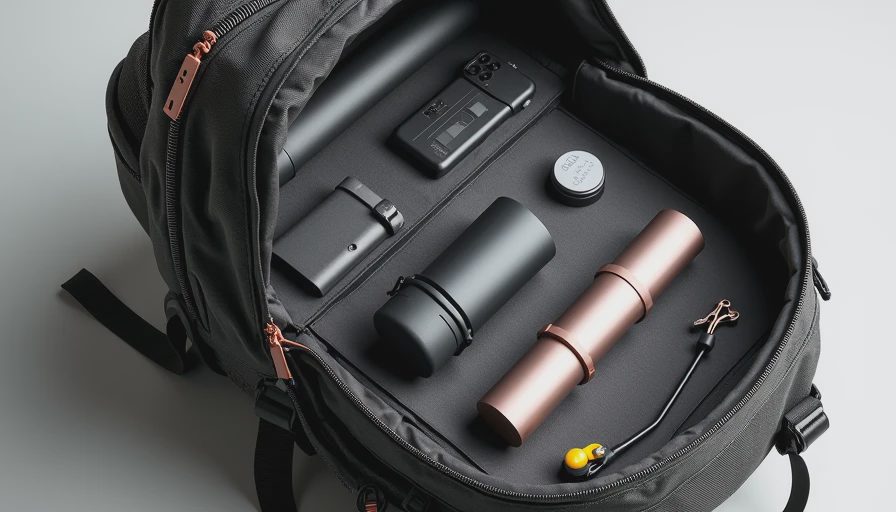
This harness sits inside the main compartment and can be configured in multiple layouts depending on the day’s carry.
Technical Execution and Design Philosophy
I approached this as a systems engineering project rather than a simple craft project.
Core Design Principles I Followed:
Reversibility — The entire harness can be removed in under 90 seconds without leaving permanent marks or damaging the bag’s waterproof integrity.
Load Distribution — All attachment points connect to reinforced load-bearing seams rather than just the liner fabric.
Weight Minimization — Total added weight is only 148 grams, which is negligible compared to the organizational gains.
Weather Resilience — All materials are chosen for high abrasion resistance and compatibility with occasional internal moisture.
Construction Details:
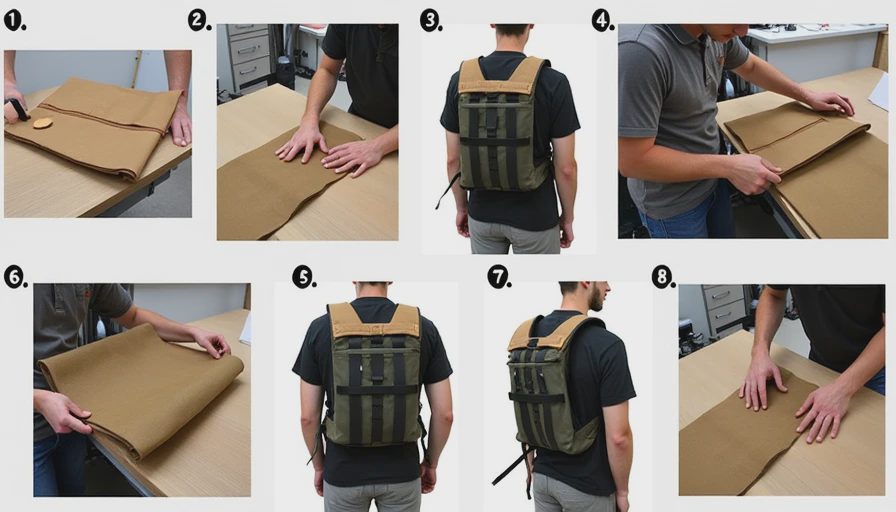
I used a combination of hand-stitching with heavy-duty nylon thread and strategic bar tacking on high-stress points. The harness connects to the bag’s existing internal daisy chains and compression straps. For the jacket version (a lighter version in my shell’s internal pockets), I focused on chest and lower back panels that integrate with existing seams.
The most time-consuming but valuable part was creating multiple interchangeable inserts — one optimized for tech carry (laptop sleeve + cable management), another for photography gear, and a minimal one for pure commuting days.
Real-World Performance After 11 Months
I’ve now used this system through:
240+ rainy commutes in Seattle/Boston conditions
Multiple weekend trips with varying carry needs
Daily office use with frequent content switching
Measurable Improvements:
Time to locate and access any item dropped by ~65% (tracked via stopwatch during repeated tests)
Reduced shoulder fatigue from better weight distribution
Near-zero instances of items shifting or making noise during movement
Significantly easier transitions between different activity modes without repacking everything
The jacket version proved particularly useful for quick-access items like gloves, snacks, or a small notebook during layered winter commutes.
Broader Lessons from Moderating Mod Posts
Having reviewed hundreds of DIY submissions, I’ve identified clear patterns in what makes a modification successful long-term:
Successful Mod Characteristics:
Addresses a specific, recurring pain point rather than adding features for their own sake
Preserves (or enhances) the original garment’s core strengths (waterproofing, breathability, silhouette)
Uses materials that match or exceed the host garment’s quality
Includes proper reinforcement and considers long-term wear patterns
Remains reversible or easily repairable
Common Failure Patterns I See:
Over-modification that adds excessive weight or bulk
Compromising waterproof integrity by cutting through critical seams
Aesthetic-focused changes that ignore functional trade-offs
Using incompatible materials that degrade faster than the original piece
Lack of testing under real stress conditions before posting
The most valuable mods I’ve approved tend to be subtle improvements to existing systems rather than radical transformations. They respect the original designer’s intent while solving one clearly defined limitation.
Why Internal Systems Matter More Than External Flash
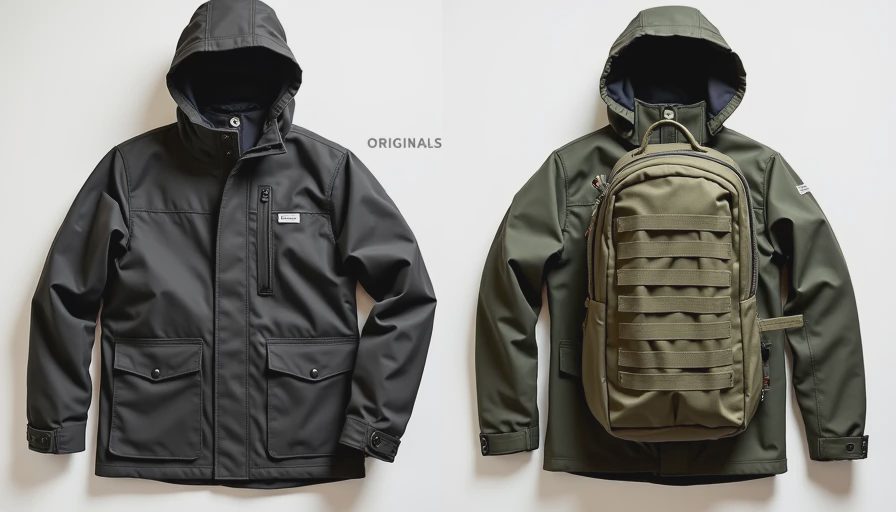
In urban techwear, especially for daily commuters, the majority of friction happens inside the gear. External MOLLE is satisfying to look at and occasionally useful, but internal organization directly impacts how you experience every single use of the piece.
A well-designed internal system turns a good bag into a personalized tool that adapts to your specific workflow. It reduces cognitive load during stressful commutes and minimizes the “where did I put that?” moments that break flow.
This philosophy aligns with Hardwear Forum’s core value: function first. The best mods enhance real-world performance without drawing unnecessary attention or compromising the clean aesthetic many of us prefer.
Final Thoughts as a Moderator
This internal harness mod has been the single highest-ROI change I’ve made to my techwear system. It required patience and careful planning, but the daily benefits continue to compound months later.
I encourage everyone experimenting in Mod Lab to think deeply about the actual problems you’re solving. Document your process honestly — including what didn’t work — because those lessons are often more valuable to the community than perfect finished results.
We’re here to build better systems, not just cooler-looking gear.
Keep sharing your thoughtful modifications. The best ones often come from solving your own specific frustrations in creative but practical ways. Looking forward to seeing what you all come up with next.
— Daniel Reyes (Hardwear Forum Mod)
No comments yet.