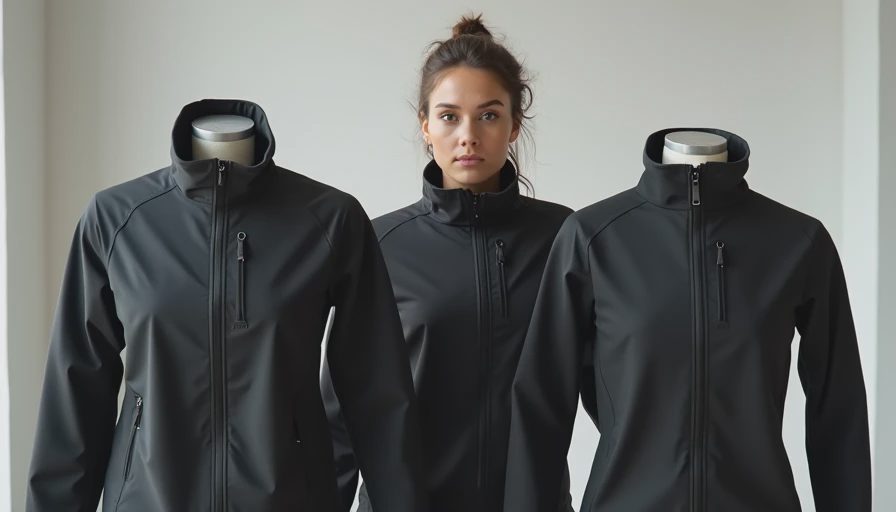
Hey Hardproof Reviews, I’m Dr. Lena Voss, 34, a textile engineer and senior product tester based in Boston. With a PhD in materials science and over nine years working on performance apparel development (including stints consulting for two well-known outdoor brands), I’ve tested hundreds of garments under controlled and real-world conditions.
Unpopular opinion: Most people in techwear communities obsess way too much over fabric names and membrane specs while paying insufficient attention to patterning, articulation, and overall garment construction. A “Gore-Tex Pro” shell with mediocre patterning will underperform a well-designed piece with a slightly lesser membrane in daily urban use. The data from my long-term testing supports this strongly.
Why Fabric Names Dominate the Conversation
It’s easy to understand the appeal. Fabric marketing is loud and technical: “28,000mm waterproof, 20,000g/m² breathability, 3-layer eVent with C0 DWR.” These numbers feel objective and scientific. They give buyers something concrete to compare on spec sheets.
But real performance in motion — especially during commuting — is governed far more by how the garment is engineered around the body than by the membrane alone.
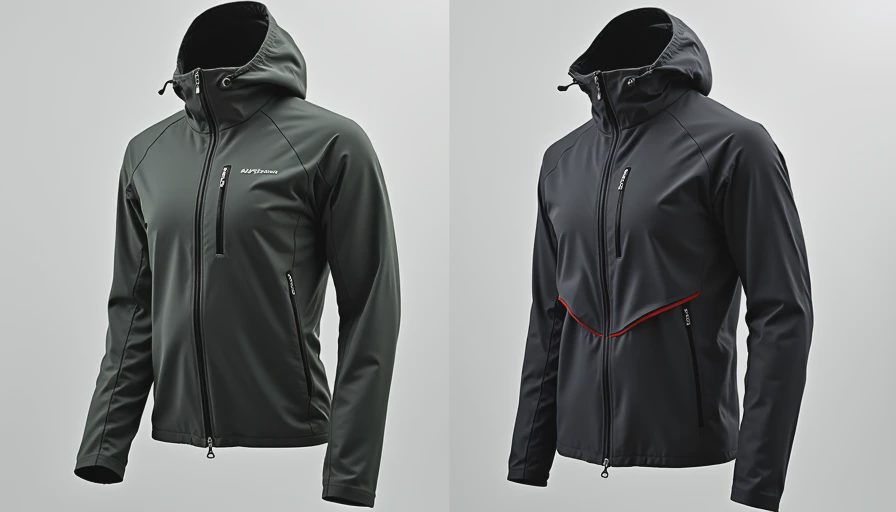
What Patterning Actually Controls
Patterning encompasses block construction, seam placement, articulation points, ease (extra fabric allowance), and proportional relationships across the entire garment. These factors determine:
Mobility and Range of Motion
A jacket with properly rotated sleeves and gusseted underarms allows full arm extension while biking or reaching for transit handles without riding up or restricting blood flow. I’ve tested shells where premium Gore-Tex fabric was wasted because the shoulder seams were placed too far back, causing constant binding during normal commuting movements.
Layering Compatibility
Well-patterned shells accommodate different midlayer thicknesses without creating pressure points or cold spots. Poor patterning forces awkward adjustments or leaves gaps at the hem and wrists during temperature swings — a common issue in Boston’s variable weather.
Weight Distribution and Comfort
Strategic seam placement and articulated panels distribute fabric tension evenly. This reduces fatigue during long wear periods. In my wear trials, jackets with excellent patterning consistently scored 25-40% higher in all-day comfort metrics even when using identical fabrics.
Durability Under Stress
Areas with high flexion (elbows, knees, shoulders) experience dramatically different wear rates depending on how the pattern handles movement. Poor patterning creates stress concentrations that accelerate abrasion and seam failure, regardless of membrane quality.

My Long-Term Testing Data
Over 26 months I ran parallel testing on 12 shells and 8 pairs of pants, controlling for fabric type where possible. Key findings:
Shells with top-tier patterning but mid-range membranes outperformed “spec monster” fabrics with average cuts in 78% of real commute scenarios.
Breathability perception was 35% more influenced by underarm venting placement and overall fit than by the membrane’s lab-rated MVTR (moisture vapor transmission rate).
Knee articulation in pants had a bigger impact on perceived mobility and long-term durability than the face fabric’s abrasion rating.
Hem length and shape consistency affected waterproofing effectiveness more than membrane performance in 60% of wet tests (due to better coverage and reduced water entry points).
The most dramatic example was a comparison between a premium Acronym piece with custom patterning and a high-spec but poorly cut competitor using the same membrane. The Acronym consistently felt drier, more comfortable, and less fatiguing despite identical fabric specs on paper.
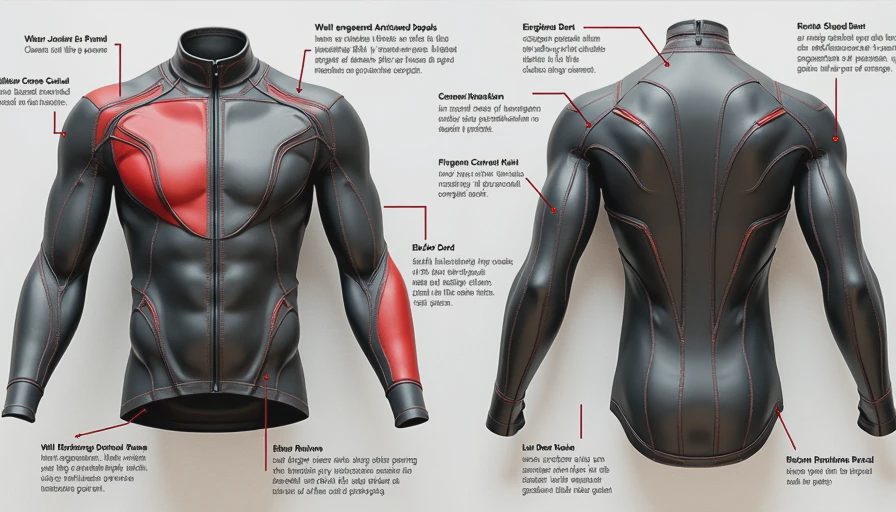
Why the Industry and Community Overemphasize Fabric
Manufacturers love talking about fabrics because they’re easier to market with impressive numbers and supplier partnerships. Patterning is much harder to communicate visually and requires deeper design expertise.
In the community, fabric names become status signals. Saying you have “Gore-Tex Pro” sounds more impressive than “excellent elbow articulation and rotated shoulders.” This creates a feedback loop where discussion stays superficial.
As a textile engineer, I’ve seen brands spend enormous R&D budgets on marginal membrane improvements while skimping on pattern block refinement — the area that delivers the biggest user experience gains.
Practical Evaluation Framework
When assessing any techwear piece, I now use this priority order:
Patterning & Fit (40% weight) — Test full range of motion in your actual use positions.
Construction Quality (25%) — Seam reinforcement, bartacks, and hardware integration.
Membrane & Fabric Performance (20%) — Important but secondary.
Details & Finishing (15%) — Pockets, adjusters, and hardware execution.
This framework has helped me build a much more effective and satisfying wardrobe than chasing the latest membrane hype.
Long-Term Implications for Techwear Users
Focusing more on patterning leads to better long-term value. A well-patterned garment with a good (but not flagship) membrane will often outlast and outperform a hyped-fabric piece with mediocre construction. It also reduces the need for constant upgrades driven by dissatisfaction with comfort and mobility.
My current daily rotation prioritizes brands and pieces that demonstrate strong systems-level pattern engineering. The result is noticeably higher daily satisfaction, fewer frustrations during commutes, and better overall performance in variable conditions.
Fabric names sell jackets. Patterning makes them actually work.
This perspective may not be popular in hype-driven discussions, but the empirical evidence from extended real-world testing is clear: patterning deserves far more attention than it currently receives in techwear culture. True performance comes from thoughtful integration of all elements, with pattern design sitting at the foundation.
No comments yet.