
Marcus, a former product engineer turned urban mobility consultant in Chicago. I’ve been deep in techwear for over two years, owning and testing pieces from more than 25 brands while logging hundreds of commutes in real Midwest weather.
Hot take: At least half the brands calling themselves “techwear” are primarily styling exercises with minimal actual systems thinking. They copy the aesthetic — matte black, random zippers, MOLLE here and there — but ignore how the pieces need to work together as a coherent, durable, user-centered system.
Change my mind.
What “Systems Thinking” Actually Means in Techwear
True systems thinking in clothing means every decision serves real user needs across multiple dimensions: weather protection, mobility, carry integration, longevity, maintenance, and adaptability to different scenarios.
It’s not just “looks tactical.” It’s asking questions like:
How does this jacket perform when layered with three different midlayers?
Will these pants still function after 200 miles on a bike?
Does the pocket layout create new problems while solving old ones?
Most brands fail this test.
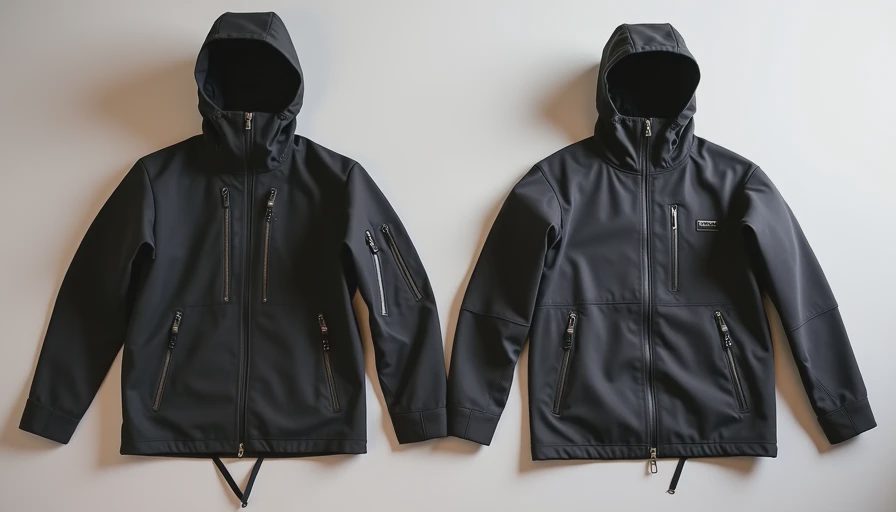
Brands That Get It Right (Rare)
Acronym, Outlier, Veilance, Arc’teryx (specific lines):
These brands consistently show systems-level thinking. Acronym obsesses over how every hardware choice affects movement and access speed. Outlier thinks about fabric performance over years of real abuse. Veilance integrates urban aesthetics without sacrificing engineering.
You can feel it when you use the gear. Everything has a purpose. Redundancy is minimized. The pieces age gracefully and adapt to different use cases.
The Styling Trap Brands (Too Many)
I won’t name every offender, but the pattern is clear:
Excessive hardware with no purpose: 12 zippers when 4 would suffice. Decorative MOLLE panels that add weight and abrasion points but zero real utility.
Poor patterning disguised by aesthetics: Jackets that look incredible in photos but restrict shoulder movement or ride up when you actually bike or reach overhead.
Fashion membranes and fake performance claims: “Gore-Tex” equivalents that wet out after 15 minutes or have breathability ratings that don’t hold up in motion.
No consideration for system integration: Pants that don’t layer well with common shells, or bags that don’t interface cleanly with jacket pockets.
I bought a popular “techwear” brand’s flagship jacket last year because the photos looked insane. After three rainy commutes, the pit zips were poorly placed (causing leaks), the hood collapsed in wind, and the internal pockets were unusable with a backpack on. Pure styling.
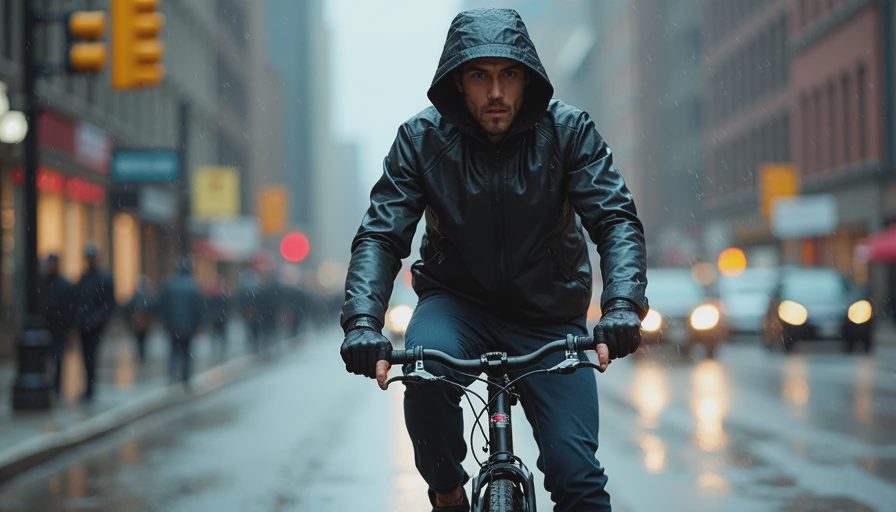
What Good Systems Thinking Looks Like
Here are concrete examples of thoughtful design versus superficial styling:
Pocket Systems:
Good: Pockets placed for specific access patterns (phone while walking, keys while wearing gloves).
Bad: Random thigh pockets that dig into your legs when sitting or riding.
Layering Compatibility:
Good: Shells with proper length, articulated arms, and adjustable hems that work with multiple midlayer thicknesses.
Bad: Short cropped jackets that look cool but leave your lower back exposed when you bend.
Durability Engineering:
Good: Reinforced high-abrasion zones (shoulders, elbows, inner cuffs) while keeping overall weight reasonable.
Bad: Thin fashion fabrics everywhere with decorative reinforcement patches that serve no purpose.
Maintenance Reality:
Good: Designs that are easy to wash, reproof, and repair.
Bad: Overly complex constructions that trap dirt or make DWR reapplication difficult.
Brand Philosophy Comparison Table
Aspect | Systems Thinking Brands | Styling-First Brands | Real-World Impact |
|---|---|---|---|
Patterning & Mobility | Excellent, tested thoroughly | Looks good, moves poorly | Daily comfort & longevity |
Hardware Purpose | Every piece serves function | Decorative & excessive | Weight, noise, failure points |
Layering Integration | Designed as part of a system | Treated as standalone pieces | Versatility across weather |
Long-term Durability | Prioritized from day one | Sacrificed for initial aesthetics | Cost per wear |
User Problem Solving | Deep understanding | Surface level | Actual improvement in life |
Price-to-Performance | Usually justified | Often poor value | Buyer satisfaction |
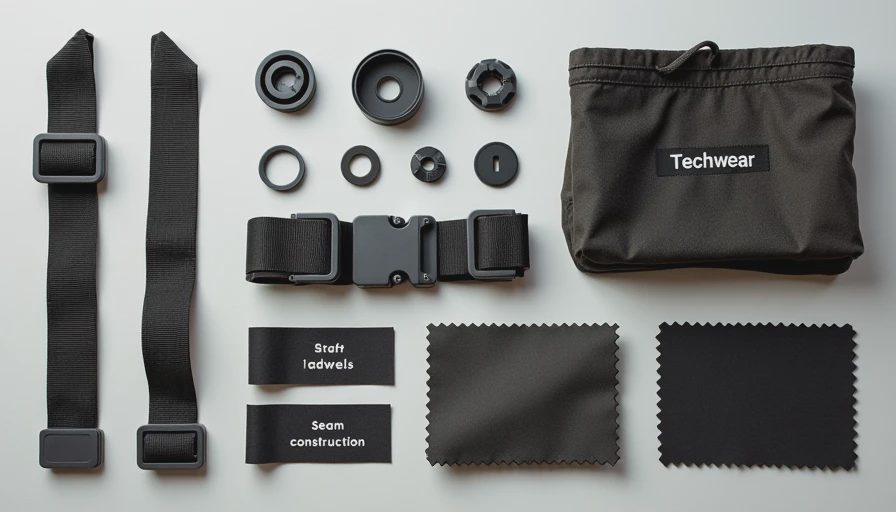
Why This Matters
The techwear community wastes enormous time and money chasing brands that deliver beautiful photos but mediocre real-world performance. This creates gatekeeping (“you need $800+ to be real techwear”) and discourages beginners who get burned by pretty but ineffective gear.
I’m not saying aesthetics don’t matter — they do. But when styling overrides function and systems thinking, you end up with expensive costume pieces rather than tools that improve daily life.
The best gear disappears when you wear it. You forget you’re wearing it because it just works. That’s the standard we should demand.
My Challenge to the Community
Prove me wrong. Show me brands that look highly styled but deliver genuine systems-level performance across multiple seasons and use cases. I’m genuinely open to being corrected — I want better options too.
I’ve become much more selective. My current rotation focuses on fewer, higher-quality pieces from brands that clearly think in systems. My quality of life improved after making this shift.
Let’s have an honest conversation. No brand loyalty — just real talk about what actually works when you’re out there in the weather.
— Marcus (chicago_engineer)
No comments yet.