Hey all, I’m Nathan. I’ve been hunting used Acronym for about 14 months now — mostly J1, J2, and some pants. I’ve looked at over 40 listings, bought 7 pieces (kept 4, returned/sold 3), and learned some expensive lessons along the way.
This thread is my personal legit check checklist. These are the first three things I always inspect before even considering pulling the trigger. I’ve saved myself from at least two very convincing fakes and one heavily worn “good condition” piece using this method.
Why Acronym Needs Extra Scrutiny
Acronym commands high prices on the used market, which unfortunately attracts sophisticated fakes and “frankenstein” pieces (good shell with replaced parts). The brand’s obsessive attention to detail is exactly what makes legit checking both possible and necessary.
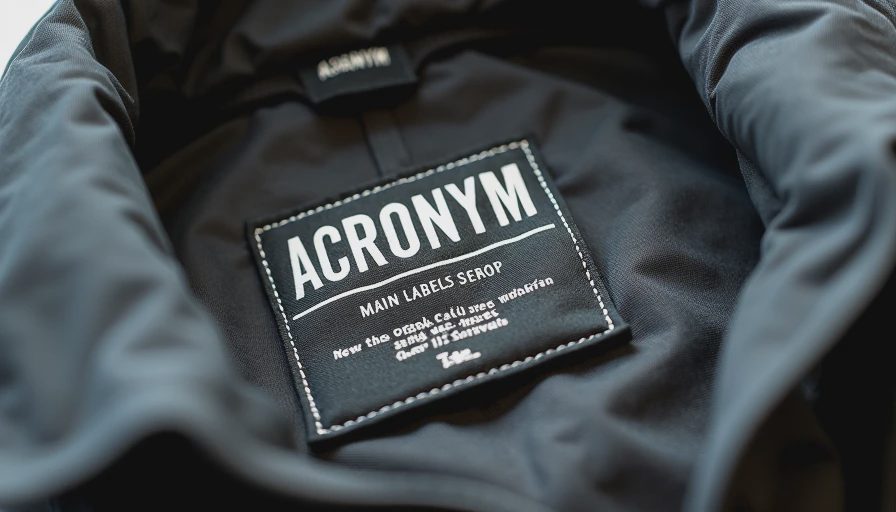
1. The Main Label & Heat Stamp (First Thing I Check)
This is my absolute #1 checkpoint.
What to look for:
Font weight and spacing on the Acronym logo must be perfect — fakes often have slightly thinner or bolder lettering.
The small material composition and care text below must be crisp and properly aligned.
Heat-stamped codes on the inner flap (model number, batch code, etc.) should be sharp and consistent with known originals.
Stitching around the label should be extremely clean and even — no loose threads or glue residue.
Red flag: If the label looks even slightly blurry, printed instead of woven, or the heat stamp is shallow/faded, I immediately move on.
I once passed on a $320 J1 because the heat stamp looked too shallow compared to my known authentic piece.
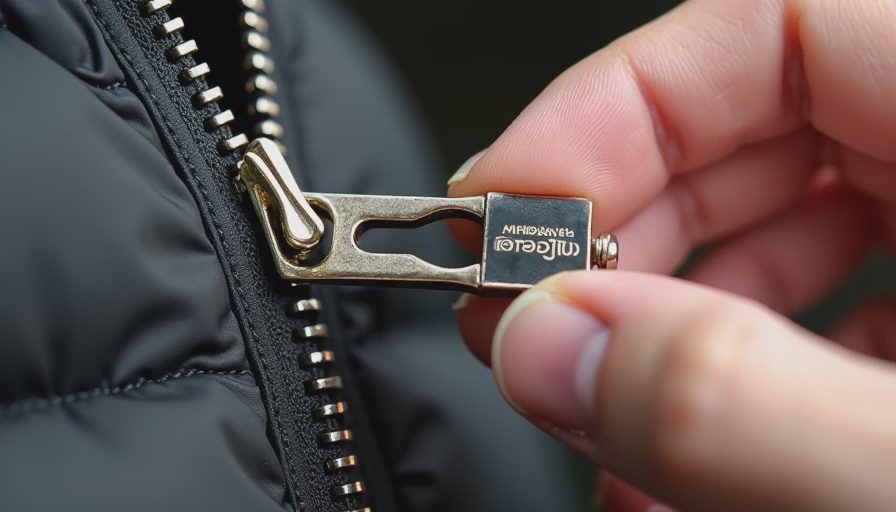
2. Zipper Quality and Pullers (Second Critical Check)
Acronym uses premium Riri or Lampo zippers almost exclusively. This is where many fakes fall apart.
Key details:
The zipper teeth should be tight, uniform, and have that signature metallic sheen.
The puller tab must feel heavy and well-machined. Authentic Acronym pullers have very specific shaping and engraving depth.
Check the tape: Genuine ones have a distinct texture and width. Fakes often use cheaper, shinier tape.
Listen for the sound — authentic zippers have a smoother, more precise “click” when closing.
I always zip and unzip every single zipper on the piece multiple times. If any feel gritty or light, it’s a major red flag.
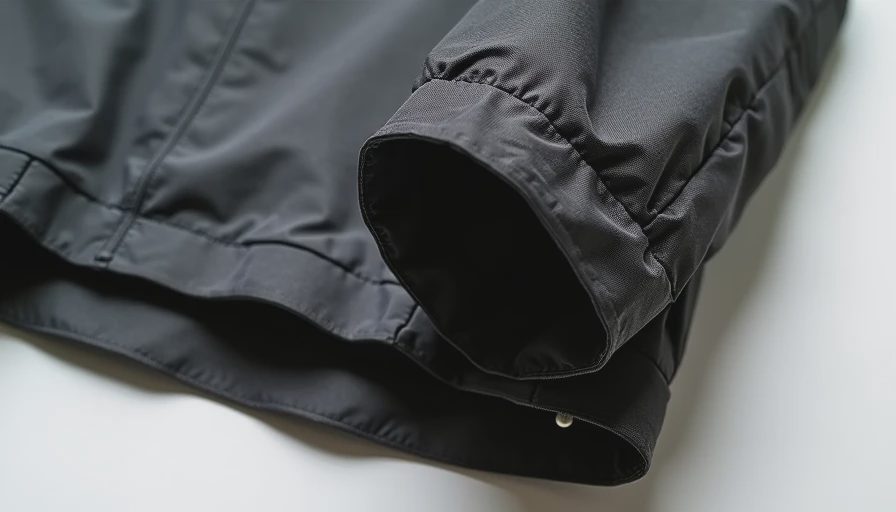
3. Seam Taping & Construction Details (Third Deep Dive)
This reveals both authenticity and overall condition.
What I examine:
All internal seam taping must be clean, consistent width, and properly aligned with no bubbling or lifting.
Bartack stitching at stress points should be dense and precise.
Hardware (magnetic snaps, cord locks, adjusters) must feel solid and have the correct Acronym-specific design.
Interior lining stitching quality — Acronym is known for near-perfect finishing even in hidden areas.
I also check for consistent wear patterns. A jacket that’s “lightly used” shouldn’t have brand new zippers with heavily worn cuffs.
Additional Quick Checks I Do After the Top Three
Hood adjustment system — Test all cords and locks for smooth operation.
Pocket construction — Open every pocket and check internal finishing.
Overall weight and drape — Authentic Acronym has a very specific substantial but not heavy feel.
Serial/batch consistency — Cross-reference codes with known authentic examples from forums.
Common Fake & Problem Red Flags
Price significantly below market (especially “too good to be true”)
Seller avoids detailed photos of labels and zippers
Inconsistent color between photos
Missing original dust bag or tags when claimed “like new”
Poor English in listing with vague condition description
My Personal Buying Rules Now
Never buy without clear photos of the three main check points.
Ask for specific measurements (I have a spreadsheet of known authentic measurements).
Prefer sellers with multiple sales and good feedback.
Budget extra for potential minor repairs on used pieces.
Legit Check Summary Table
Inspection Point | Authentic Signs | Common Fake Issues | Priority |
|---|---|---|---|
Main Label | Crisp weave, perfect heat stamp | Blurry print, wrong font | 1 |
Zippers & Pullers | Heavy, precise Riri/Lampo | Light, cheap alternatives | 2 |
Seam Taping | Clean, consistent, no lifting | Bubbled, uneven, missing tape | 3 |
Hardware | Solid, specific design | Loose, generic magnets | High |
I still get nervous every time I buy a new used piece, but following this checklist has dramatically improved my success rate.
Drop your own legit check tips below. I’m always refining this list based on collective experience.
— Nathan (denver_industrial)
No comments yet.