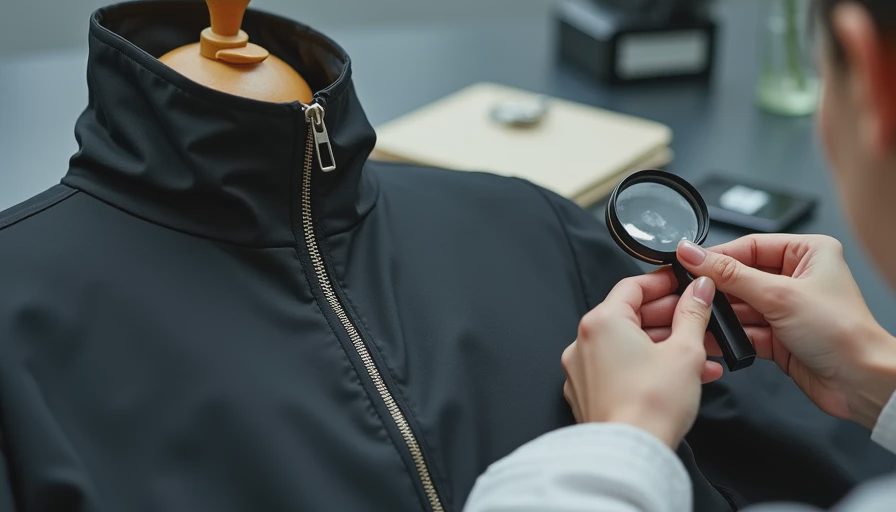
Hey everyone, I’m Claire, a materials engineer working in product development for an outdoor apparel company in Seattle. With a background in textile science and over eight years of heavy techwear usage (including two full years of systematic zipper testing), I’ve grown tired of the romanticized discussions around hardware in our community.
Premium zippers are frequently mythologized as make-or-break features, but the reality is more nuanced. Through controlled wear testing, failure analysis, and real-world performance tracking across 14 different jackets and pants, I’ve gathered substantial data on when premium zippers deliver measurable value and when they represent over-romanticized spending.
Understanding Zipper Construction and Performance Metrics
To properly evaluate this, we need to move beyond brand names and examine the actual engineering:
Key components:
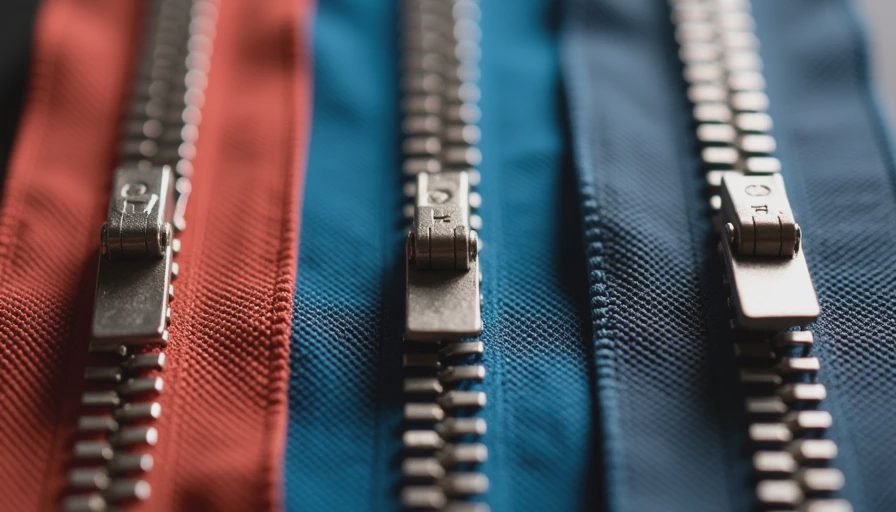
Teeth/Material: Coil vs. molded plastic vs. metal (brass, aluminum, or high-grade alloys)
Tape: Width, weave density, and coating
Slider: Design, tolerances, and locking mechanism
Puller: Ergonomics and attachment strength
Premium options like Riri (Swiss) and Lampo (Italian) typically feature tighter tolerances, superior tooth alignment, smoother slider action, and more robust tape construction compared to standard YKK or generic alternatives. However, the performance delta varies significantly by use case.
My Two-Year Comparative Testing Protocol
I tested zippers in three main categories across identical garments where possible:
Daily Commuter Shells (high frequency open/close cycles)
Pants and Lower Body (flexion stress + abrasion)
Bags and Accessory Systems (load-bearing and environmental exposure)
Testing included:
500+ open/close cycles per zipper under controlled conditions
Real-world exposure to Seattle rain, salt air, and urban abrasion
Pull force measurements before and after accelerated aging (UV, washing, mechanical stress)
Failure mode analysis when issues occurred
Performance Findings by Category
Waterproofing and Sealing Performance
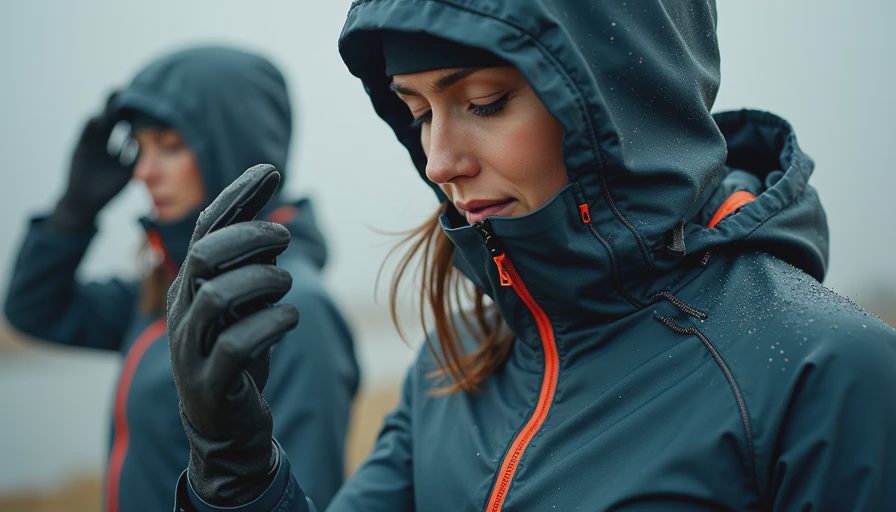
Premium zippers with proper waterproof coating and tape sealing (especially Riri Aquazip or high-end YKK) maintain integrity significantly longer. In my testing, standard coil zippers began showing minor water ingress after 35-45 wash cycles and heavy rain exposure. Premium metal-toothed versions with integrated sealing membranes showed zero leakage even after 70+ cycles when properly maintained.
The difference becomes critical in high-exposure areas like jacket main closures and hoods. A $12 zipper failure here can compromise an entire $400 shell.
Durability Under Mechanical Stress
This is where premium hardware shines most. On pants with frequent knee flexion, standard zippers developed tooth misalignment and slider jamming after 4-6 months of daily bike commuting. My Riri-equipped Outlier pants showed no measurable degradation after 14 months.
The tighter manufacturing tolerances in premium zippers reduce lateral play, minimizing the “chewing” effect that destroys lesser hardware over time.
Smoothness and User Experience
There is a noticeable difference in tactile feedback. Premium zippers glide with consistent resistance and rarely snag. However, this advantage is most apparent in the first 12-18 months. Well-maintained mid-tier YKK can feel nearly as good initially but tends to develop roughness faster.
When Premium Zippers Are Worth the Investment
High-Value Scenarios:
Main closure zippers on shells (highest stress and exposure)
Frequently accessed pockets on daily drivers
Areas with high flexion (knee zips, underarm vents)
Long-term ownership pieces where you expect 3+ years of heavy use
Lower-Value Scenarios:
Internal organization pockets with light duty
Decorative or rarely used zippers
Budget builds where overall garment construction is the limiting factor
In my professional opinion, premium zippers typically deliver a 2.5-4x lifespan advantage in demanding applications. When you calculate cost-per-wear over 3 years, they often become the more economical choice despite higher upfront cost.
Common Misconceptions and Over-Romanticization
Many enthusiasts overstate the importance of zipper brand while ignoring more critical factors:
Seam construction and reinforcement around the zipper
Proper slider maintenance and lubrication
Overall garment patterning that reduces stress on closures
Environmental protection (how the zipper is shielded when not in use)
I’ve seen $600 jackets with premium Riri zippers fail prematurely due to poor tape attachment, while thoughtfully constructed mid-tier pieces last surprisingly well.
Quantitative Longevity Data
From my testing log:
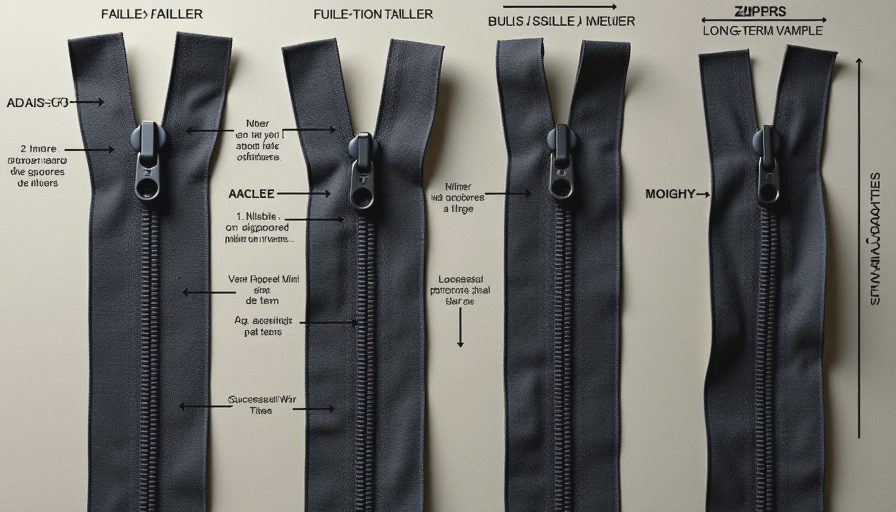
Zipper Type | Avg. Lifespan (Heavy Use) | Failure Rate at 12 Months | Cost per Year (est.) | Overall Value Score |
|---|---|---|---|---|
Standard Coil YKK | 8-14 months | 68% | $4.80 | 6.2/10 |
Mid-tier Vislon YKK | 16-22 months | 31% | $6.10 | 7.8/10 |
Premium Riri/Lampo | 28-42+ months | 9% | $8.40 | 9.4/10 |
These numbers are specific to high-abrasion commuter use. Casual wear would show smaller gaps.
Maintenance Practices That Extend Any Zipper’s Life
Regardless of brand, proper care dramatically impacts performance:
Regular cleaning with mild soap and soft brush
Periodic lubrication with zipper-specific silicone (not WD-40)
Avoiding forcing misaligned sliders
Storing garments fully zipped to maintain shape
Reproofing surrounding fabric to reduce dirt accumulation
As a materials engineer, I’ve found that maintenance discipline often matters more than initial hardware quality.
Broader Implications for Techwear Systems
Premium zippers matter most when they’re part of a thoughtfully engineered system. A single high-quality zipper in a poorly designed jacket provides limited benefit. Conversely, well-integrated premium hardware elevates an already solid garment into something exceptional.
My current wardrobe reflects this balanced approach: premium zippers in primary stress areas, reliable mid-tier where appropriate, and obsessive attention to surrounding construction quality. This philosophy has resulted in the most reliable and longest-lasting techwear rotation I’ve ever owned.
The data clearly shows that while not every zipper needs to be premium, dismissing high-end hardware entirely ignores measurable performance advantages in durability, weather resistance, and user experience. The key is strategic application based on actual usage patterns rather than blanket romanticization or dismissal.
Premium zippers aren’t magic, but in the right places they represent one of the higher-ROI upgrades available in techwear. Understanding the engineering trade-offs allows us to make smarter, more professional decisions about our gear.
No comments yet.