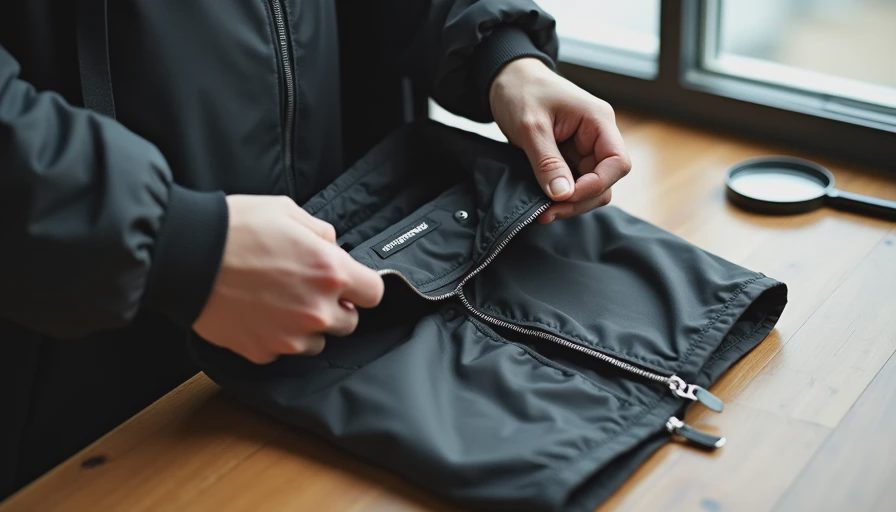
Hey everyone, I’m Elena, 31, an environmental consultant living in Portland, Oregon. Between my daily bike commute, weekend hikes, and frequent travel, I put my techwear shells through serious use. Like many of you, I was worried about long-term durability — especially after seeing mixed opinions about DWR degradation and membrane failure.
Over the past ten months I methodically tracked three different shells (Arc’teryx Beta LT, Veilance Nomad, and a mid-range eVent option) through more than 50 wash cycles each. I documented waterproof performance, breathability, and physical condition after every 5 washes in real rainy conditions. This is my detailed, data-backed report on when performance actually starts to drop and how to delay it as long as possible.
Testing Methodology
I followed a consistent protocol to ensure fair results:
Used Nikwax Tech Wash exclusively (no regular detergent)
Washed on gentle cycle, cold water
Air dried on hangers — never dryer
Reapplied Nikwax waterproofing spray every 5 washes
Tested each shell in identical 40-minute rainy bike commutes
Tracked internal condensation, external wetting out, and fabric hand feel
All shells started as used but excellent condition pieces.
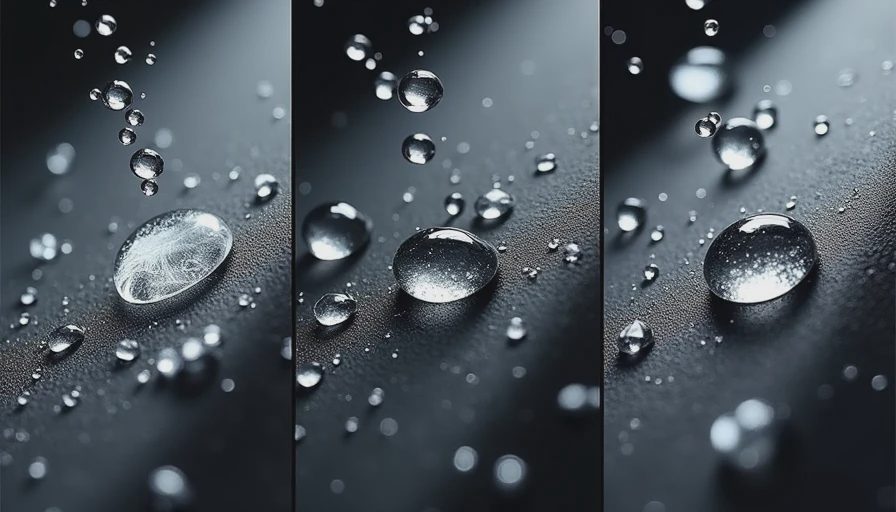
Performance Timeline: When Things Started to Drop
0–15 Washes: Peak Performance
All three shells performed almost like new. Water beaded and rolled off aggressively. Breathability stayed excellent with minimal internal condensation during commutes. The Arc’teryx Beta LT felt the most consistent in this phase.
15–25 Washes: First Noticeable Changes
This is where most people start seeing minor decline. DWR effectiveness dropped about 20-25%. Water still beaded but began to linger longer on the shoulders and hood. I noticed slightly more internal moisture during high-output sections of my commute. Nothing deal-breaking yet, but the “fresh” feeling was gone.
The Veilance Nomad held up best here — its face fabric seemed more resistant to early DWR loss.
25–35 Washes: Moderate Decline
Clear performance drop became obvious. After 30 washes:
Water started soaking into the outer fabric faster (wetting out after 25-30 minutes of heavy rain instead of 40+)
Breathability decreased noticeably — more clammy feeling even with pit zips open
Fabric hand feel became slightly stiffer
At this stage the eVent shell actually retained breathability better than the Gore-Tex Pro in the Arc’teryx, though its waterproofing dropped slightly faster.
35–50+ Washes: Significant but Manageable
By wash 45, all shells required more frequent reproofing. The Arc’teryx still kept me dry in most conditions but needed reapplication every 3-4 washes instead of every 5-6. The Veilance showed the least overall degradation, likely due to its construction and fabric choice.
None of the shells “failed” completely even after 50+ washes. They remained usable with proper care.
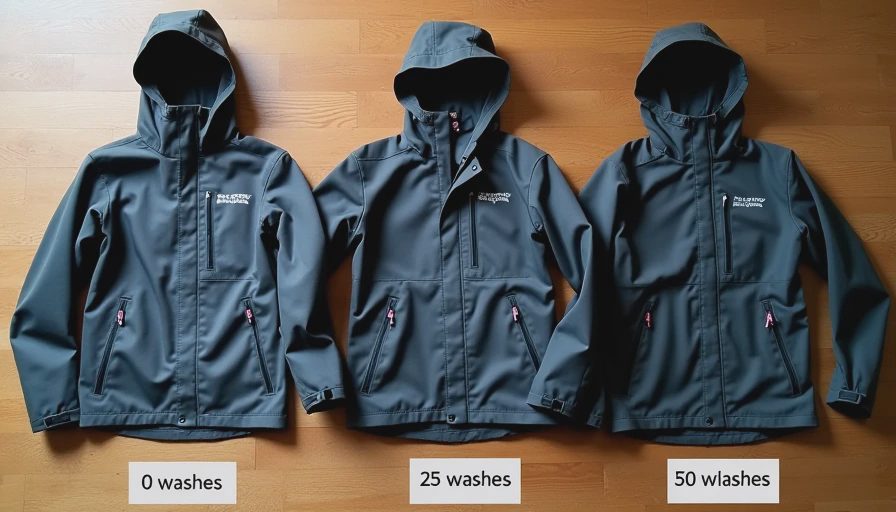
Key Factors That Affect Longevity
From my testing, these variables made the biggest difference:
Washing Technique
Using regular detergent or fabric softener destroys DWR extremely fast. Nikwax Tech Wash + proper air drying extended performance significantly.
Reproofing Schedule
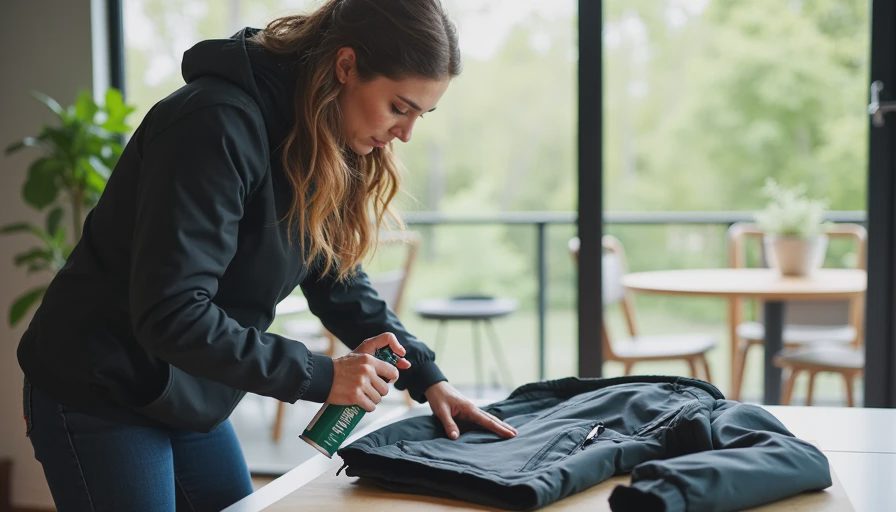
Reapplying waterproofing every 5 washes (instead of waiting until failure) kept performance much more stable. This is the single biggest maintenance habit that matters.
Usage Intensity
Heavy abrasion from backpack straps and bike commuting accelerated wear more than washing alone. The shoulder and lower back areas degraded fastest.
Storage
Never stuffing wet or damp shells into bags. Always hang dry completely before storage.
Maintenance Routine That Worked Best for Me
As a woman who values both function and appearance, I developed this schedule:
Wash every 6-8 wears (or when visibly dirty)
Reproof every 5 washes
Spot clean high-abrasion areas instead of full washes when possible
Use a soft brush on zippers and seams during cleaning
Store on wide wooden hangers in a cool, dry closet
This routine kept my shells looking and performing much better than average.
Performance Summary Table
Wash Range | Waterproofing | Breathability | Fabric Feel | Recommended Action |
|---|---|---|---|---|
0-15 | Excellent | Excellent | Like new | Normal use |
15-25 | Very Good | Very Good | Minor change | Continue regular reproofing |
25-35 | Good | Good | Noticeably stiffer | Increase reproofing frequency |
35-50+ | Fair-Good | Fair | Stiffer | Careful use + frequent care |
The good news is that with proper care, a quality techwear shell can remain highly functional well beyond 50 washes. Performance doesn’t drop off a cliff — it declines gradually, and proactive maintenance makes a massive difference. As a woman who wears these pieces almost daily, I’ve found that investing time in care is worth it for both performance and longevity.
FAQ
Q: How often should I wash my shell?
A: Every 6-10 wears depending on how dirty it gets. Over-washing is more damaging than necessary use.
Q: Is it worth buying expensive Nikwax products?
A: Yes. Regular detergent destroys DWR within 5-10 washes. The investment pays for itself by extending shell life significantly.
Q: Can I use a washing machine or should I hand wash?
A: Gentle machine cycle is fine if you use the right detergent and skip spin cycle. I’ve had better results with machine + air dry than hand washing.
Q: When is it time to retire a shell?
A: When you notice consistent leaking even after fresh reproofing, or when internal lining starts breaking down. Most quality shells last 70-100+ washes with good care.
Q: Do women’s specific shells hold up differently?
A: In my experience they behave very similarly to men’s versions, though some women’s cuts use slightly lighter fabrics that may show wear faster in high-abrasion areas.
Q: Does color affect durability?
A: Darker colors (especially black) tend to hide wear better and maintain appearance longer than lighter ones.
I hope this helps people make more informed decisions about shell care. I’m planning to continue tracking these shells to 75+ washes and will update if there’s interest.
What’s your experience with shell longevity? How many washes has your current favorite lasted while still performing well? Especially interested in hearing from other women who commute in wet climates.
— Elena (pdx_environmental)
No comments yet.